The skincare market is no longer what it used to be. Just a few years ago, launching a skincare product mainly required attractive packaging and a strong marketing message. Today, things are very different. Consumers want proof, transparency, and real results. They care about ingredients, sourcing, testing, and the science behind every formula.
Because of this shift, skincare brands are rethinking how products are developed and manufactured. Instead of rushing to market, successful brands now focus on quality-driven processes that support long-term growth and customer trust.
This article explores how modern skincare brands approach product development, why manufacturing strategy matters, and how choosing the right production partner can shape a brand’s future.
Table of Contents
ToggleThe New Expectations of Skincare Consumers
Modern skincare buyers are informed and cautious. They read ingredient labels, research brands online, and often compare products before making a decision. Social media, dermatologists, and beauty experts have raised awareness about what goes into skincare products and how those ingredients affect the skin.
Today’s consumers expect:
- Safe and tested formulations
- Clear ingredient transparency
- Products suitable for specific skin concerns
- Ethical and responsible production
- Consistent results with long-term use
Brands that fail to meet these expectations often struggle to build credibility, no matter how strong their marketing efforts are.
Product Development Is No Longer Guesswork
In the past, many skincare products were created based on trends rather than research. Now, data and science drive product development. Brands want formulations that are not only popular but also effective and reliable.
Modern product development involves:
- Studying skin biology and concerns
- Selecting ingredients with proven benefits
- Testing formulations for stability and safety
- Adjusting textures and absorption rates
- Ensuring compatibility with different skin types
This structured approach reduces risks and helps brands deliver products that perform consistently in real-world use.
Why Manufacturing Strategy Matters in Skincare
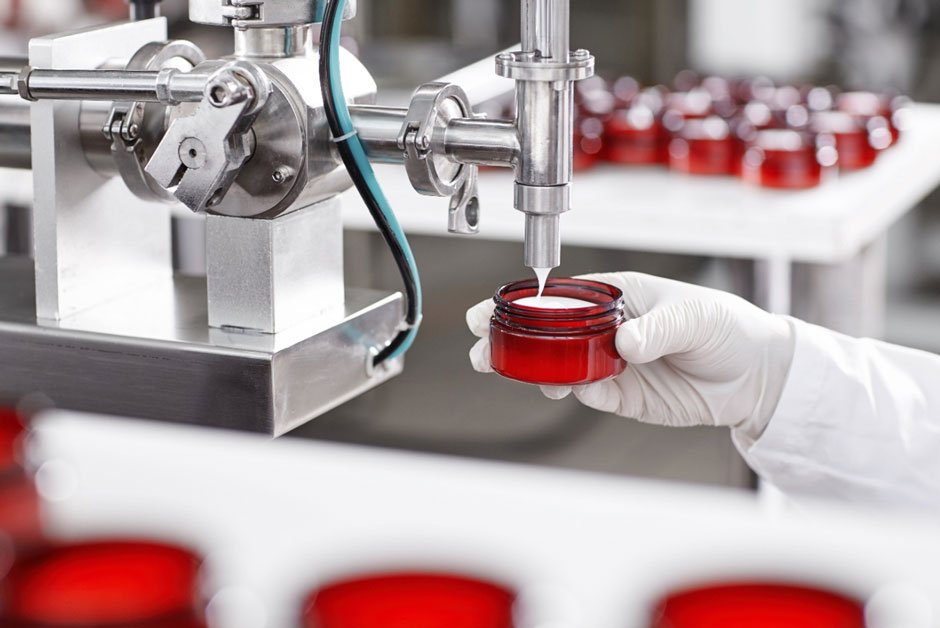
Manufacturing is not just a technical process—it’s a strategic decision. The way a product is manufactured directly affects quality, cost, scalability, and brand reputation.
A strong manufacturing strategy helps brands:
- Maintain consistent quality across batches
- Control production costs
- Scale efficiently as demand grows
- Meet regulatory requirements
- Reduce delays and production errors
Brands that overlook manufacturing strategy often face problems when trying to expand or enter new markets.
The Importance of Working with Experienced Manufacturers
As formulations become more complex, brands increasingly rely on experienced manufacturers rather than handling production internally. These manufacturers already have the infrastructure, expertise, and systems required for high-quality skincare production.
Working with experienced partners allows brands to:
- Access advanced production facilities
- Benefit from in-house laboratories
- Receive technical guidance
- Speed up product development
- Avoid costly trial-and-error mistakes
Manufacturers such as Zicail are often preferred by brands that want professional support without compromising on quality or compliance.
Customization as a Competitive Advantage
Customization has become a major competitive advantage in skincare. Brands want products that reflect their identity rather than generic formulas that look and feel the same as competitors.
Custom manufacturing supports:
- Unique ingredient combinations
- Tailored solutions for specific skin concerns
- Brand-specific textures and finishes
- Differentiation in crowded markets
This level of customization is difficult to achieve without a manufacturing partner that supports flexible formulation and development.
OEM/ODM Manufacturing and Brand Flexibility
OEM and ODM manufacturing models have become popular because they offer both efficiency and flexibility. Instead of building production facilities from scratch, brands can leverage existing expertise and infrastructure.
These models allow brands to:
- Launch products faster
- Reduce upfront investment
- Adjust formulations based on market feedback
- Focus on branding and distribution
- Scale production smoothly
Choosing a reliable OEM/ODM skincare manufacturing partner helps brands balance speed, quality, and cost without sacrificing product integrity.
Quality Assurance: Protecting Consumer Trust
Quality assurance is one of the most critical aspects of skincare manufacturing. Even a small inconsistency can affect product performance and customer satisfaction.
Strong quality assurance processes include:
- Raw material verification
- Controlled production environments
- In-process quality checks
- Final product testing
- Long-term stability evaluation
Brands that prioritize quality assurance protect not only their customers but also their long-term reputation.
Navigating Regulations and Market Requirements
Skincare products must comply with cosmetic regulations that vary across regions. Failing to meet these requirements can delay launches or prevent products from entering certain markets altogether.
Experienced manufacturers help brands by:
- Ensuring ingredient compliance
- Conducting required safety tests
- Maintaining regulatory documentation
- Preparing products for global distribution
This support allows brands to expand confidently and avoid legal or compliance-related issues.
Sustainability and Responsible Production
Sustainability has become a key factor in consumer purchasing decisions. Brands are expected to operate responsibly, from ingredient sourcing to packaging choices.
Responsible manufacturing focuses on:
- Reducing waste and energy use
- Offering recyclable or eco-friendly packaging
- Sourcing ingredients responsibly
- Supporting cruelty-free practices
- Improving supply chain transparency
Brands that align with these values often build stronger emotional connections with their audience.
How Manufacturing Partners Support Long-Term Growth
The right manufacturing partner doesn’t just produce products—they support the brand’s evolution. As a brand grows, its manufacturing needs change, and having a flexible partner makes that transition smoother.
A strong partner provides:
- Scalable production capacity
- Ongoing formulation support
- Clear communication
- Consistent quality standards
- Long-term collaboration
Brands working with experienced manufacturers like Zicail skincare often find it easier to adapt to market changes and expand their product lines.
Conclusion
In today’s skincare industry, success is built on more than trends and packaging. It depends on thoughtful product development, smart manufacturing strategies, and strong partnerships that support quality and growth.
As consumers continue to demand transparency, safety, and effectiveness, brands must prioritize how their products are developed and produced. By investing in professional manufacturing and choosing the right partners, skincare brands can build trust, credibility, and long-term success in an increasingly competitive market.