Hey there, fellow homeowners and dreamers! If you’re in Singapore and eyeing that perfect landed property—be it a cozy terrace house, a spacious semi-detached, or a grand bungalow—you know it’s more than just bricks and mortar. It’s about crafting a sanctuary amid our bustling city-state’s unique blend of tropical vibes, strict urban planning, and sky-high property values. But here’s the kicker: building or reconstructing a landed home isn’t a DIY weekend project. It’s a complex endeavour that demands expertise, precision, and a whole lot of local know-how. That’s where a top-tier design and build contractor comes in. In this post, I’ll break down why skimping on this choice could turn your vision into a nightmare, drawing from real insights in the industry. Let’s dive in.
- Mastering Singapore’s Regulatory Maze
Singapore’s real estate scene is tightly regulated, and for good reason—it keeps our island safe, organised, and aesthetically pleasing. Agencies like the Urban Redevelopment Authority (URA) and Building and Construction Authority (BCA) oversee everything from plot ratios and building heights to environmental impact and safety standards. A good design and build contractor isn’t just a builder; they’re your regulatory expert guide.
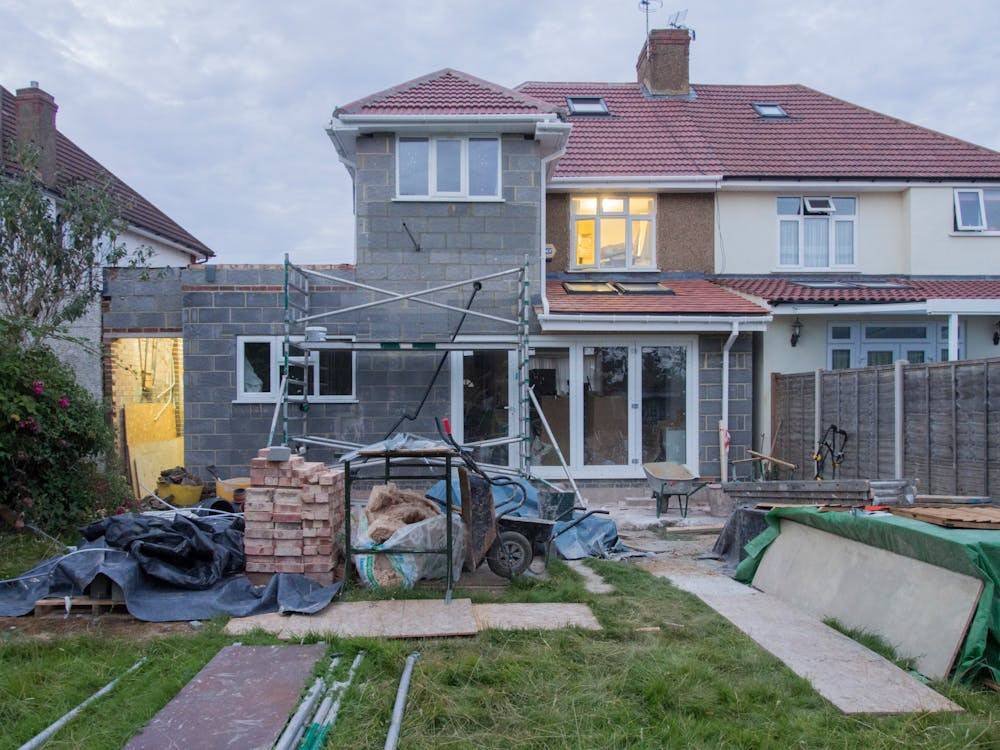
They handle the nitty-gritty of design submissions, permits, and approvals, ensuring your project complies with local laws from the get-go. This streamlined approach avoids costly delays or rejections that could arise from novice errors. For instance, if you’re adding an extension or reconstructing, they’ll integrate compliance into the design phase, saving you headaches down the line. Go with a subpar outfit, and you might face fines, forced redesigns, or even project halts—think of it as trying to navigate Orchard Road traffic while being blind-folded!
- The Magic of Seamless Design-to-Build Integration
One of the biggest perks of a design and build model is that it combines architecture, interior design, and construction under one roof. No more juggling separate architects, designers, and contractors who might play the blame game when things go bad. This integrated setup ensures your home’s aesthetic vision aligns perfectly with practical execution, minimising miscommunications and rework.
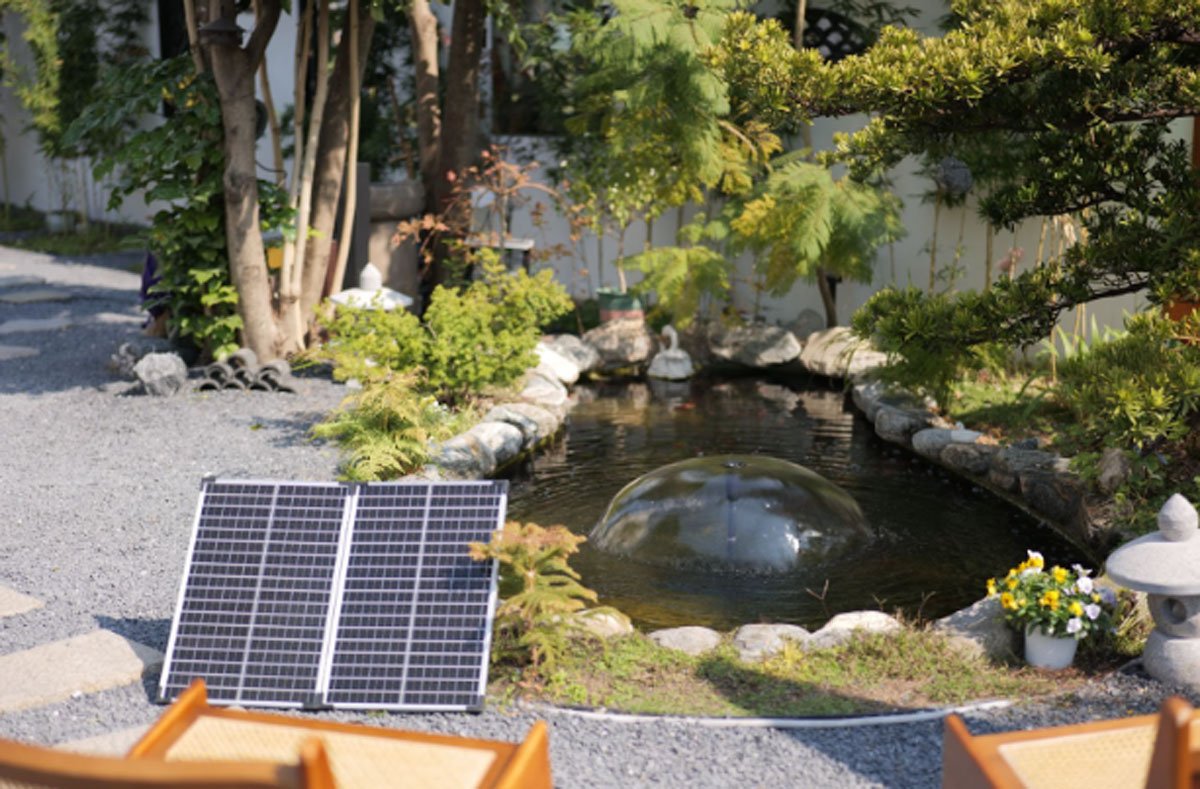
In Singapore’s rainy and humid climate, where issues like moisture control and energy efficiency are paramount, this unity is gold. Your contractor can incorporate smart features—like green roofs or solar panels—right from the blueprint stage, leading to a cohesive, high-quality finish. Plus, with a single point of contact, you’re not drowning in text messages from multiple parties; it’s efficient, transparent, and keeps accountability crystal clear. Imagine the peace of mind knowing your minimalist Scandi-inspired terrace won’t end up with mismatched fixtures because the builder “interpreted” the plans differently.
- Saving Time and Money (Yes, Really)
Building a landed home in Singapore isn’t cheap—land costs alone can make your eyes water. But a reputable design and build contractor optimises both your timeline and budget. They leverage their industry connections for quality materials at competitive prices, often without sacrificing durability. Their project management prowess means efficient scheduling, reducing downtime and overruns that plague fragmented teams.
From my research, experienced contractors can shave months off the build by coordinating subcontractors seamlessly and anticipating issues like shipping delays. And let’s talk value: while an upfront quote might seem higher, it often includes everything—no surprise variation orders (VOs) that balloon costs. In a market where time is money (especially if you’re renting during construction), this efficiency translates to real savings. As one industry insider noted, opting for an experienced team over a cheaper one, could mean finishing in half the time, far outweighing any initial premium.
- Ensuring Top-Notch Quality and Personalization
Landed homes are all about personalisation—tailoring spaces to your lifestyle, whether it’s a home gym, a koi pond, or a multi-generational setup. A skilled contractor brings expertise in sourcing premium materials suited to Singapore’s weather, like rot-resistant woods or anti-mold coatings, ensuring longevity.
They also focus on quality craftsmanship, from structural integrity to finishing touches, which boosts your property’s resale value in our competitive market. Without this, you risk shoddy work that leads to leaks, cracks, or outdated designs. Think of it as investing in a bespoke suit versus off-the-rack one.
- Mitigating Risks and Building Peace of Mind
Construction is inherently risky: weather disruptions, labour shortages, or unforeseen site issues like soil instability in areas like Bukit Timah. A good contractor minimises these through robust risk management, insurance, and contingency planning. They’re also up-to-date on safety protocols, protecting workers and your investment.
In Singapore, where landed properties often involve complex works like basements or pools, their experience prevents costly mistakes. Plus, with transparent processes, you get regular updates, fostering trust and turning what could be a stressful ordeal into an exciting journey.
Wrapping It Up: Your Dream Home Deserves the Best
At the end of the day, building a landed home in Singapore is a once-in-a-lifetime investment. Cutting corners on your design and build contractor might save pennies now but could cost fortunes later in repairs, delays, or regrets. Opt for a proven pro—one with a solid track record, client testimonials, and a passion for excellence—and you’ll not only comply with regs but also create a space that’s functional, beautiful, and uniquely yours. So, do your homework, check portfolios, and remember: if it is too cheap, it is probably not very good!