
Your mouth isn’t just for eating and talking.
It can actually tell you a lot about what is going on inside the rest of your body. There is a direct link between what’s happening inside your mouth and your overall health. Doctors and scientists have known this for years. But the research is still eye-opening.
Your poor oral health isn’t just causing you pain or cavities. It can actually cause serious health issues like heart attacks and strokes.
Here’s everything you need to know:
- The Connection Between Your Mouth & Your Body
- Diseases & Health Conditions
- Oral Health Symptoms
- Prevention Tips
Table of Contents
ToggleThe Connection Between Your Mouth & Your Body
Everything you put into your body must travel through your mouth first.
But your mouth is also how bacteria can enter your bloodstream. Plaque can travel from your gums to your blood vessels when you have gum disease.
This is important because periodontal disease affects over 40% of adults over the age of 30. That means a huge portion of adults have bacteria in their mouth slowly destroying their gums and teeth.
That is crazy when you think about it.
When searching for affordable private dental care in Belfast make sure they take this into consideration when restoring your smile. Dental implants and other restorative services can go a long way to solving these problems and fixing your oral health. Catching things early at your six-month checkups can help prevent these issues from happening in the first place.
Diseases & Health Conditions
Each year, scientists discover even more connections between your mouth and overall wellness.
These are the biggest conditions linked to poor oral health:
Heart Disease
Let’s start with the most serious.
Gum disease can lead to heart attacks and strokes. If you have inflammation of the gums, you are two to three times the risk of experiencing heart disease or stroke than those with healthy gums. The AHA has published numerous articles about this.
Germs from your mouth can get into your blood stream and clog up your veins. Inflamed gums bleed when brushed. The bacteria from your mouth cause inflammation that can damage your blood vessels.
Periodontitis is caused by inflammation to the tissue holding your teeth in place. Same inflammation that can cause heart disease.
Brushing and flossing help more than just keep your smile beautiful.
Diabetes
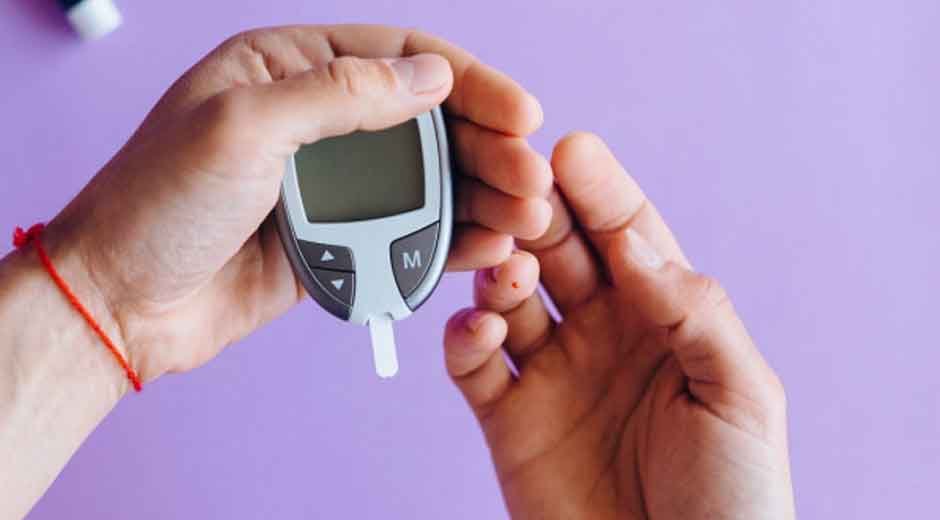
Diabetes sufferers are more likely to develop infections in the mouth.
More specifically, gum infections. Having severe gum disease will make it harder for your body to regulate your blood sugar. Which in turn, affects your diabetes.
By taking care of your mouth, you can better manage the symptoms of diabetes. Dental implants can help replace any teeth you have lost due to gum disease.
Diabetes can wreak havoc on your oral health. Make sure to take extra special care of your teeth and gums.
Lung Infections
This one may surprise you.
The bacteria in your mouth can get into your lungs when you breathe. Developing into infections such as pneumonia. Chronic Obstructive Pulmonary Disease (COPD) can also be worsened by mouth bacteria.
The elderly and immunocompromised are most at risk for bacterial infections in the lungs.
Pregnancy
Studies have shown women who had gum disease during pregnancy gave birth to premature babies and babies with low birth weight.
The inflammation and bacteria can affect your unborn child.
Regular dentist visits are recommended during pregnancy.
Oral Health Symptoms
Your mouth can give you clues about something seriously wrong before you experience any other symptoms.
Here are a few things to look out for:
- Gums that bleed when brushing or flossing
- Bad breath that won’t go away
- Teeth that feel loose or shift when you eat
- Gum recession
- Dry mouth that doesn’t go away
- Sores in your mouth that won’t heal after two weeks
- Changes to how your teeth fit together (overbite)
Believe it or not but many diseases show symptoms in the mouth first. Diabetes, blood diseases, and immune system deficiencies can show signs of oral symptoms.
Pay attention to what your mouth is trying to tell you.
If you experience any of the symptoms above, make an appointment to see your dentist as soon as possible. It is always better to catch something early on.
Prevention Tips
Taking care of your mouth is easy and simple.
Just remember to do these things:
Stick to a Daily Routine
Brush your teeth twice a day for at least 2 minutes each time. Floss at least one time per day as well.
This will remove plaque and bacteria from building up and causing you problems.
Visit Your Dentist Regularly
Schedule regular checkups with your dentist. Professional teeth cleanings are necessary to remove plaque that has hardened on your teeth. Called tartar build-up and only a dentist can remove it.
Make sure you go every six months for a checkup. If you have gum disease, you may need to visit your dentist more than twice a year.
Get Dental Implants
Every hole your teeth leave behind is a place for bacteria to grow. Dental implants not only improve your smile but they provide a permanent solution to a missing tooth.
They function just like your natural teeth, help you chew properly, and prevent bone loss.
Implants today are more comfortable and easier to get than ever before.
Take Care Of What You Eat
Eating foods high in sugars and acid can erode your teeth. Eating foods high in calcium and vitamin D promote healthier teeth.
Drink plenty of water throughout the day. Water washes away leftover food particles and bacteria.
Quit Smoking
Smoking is one of the leading causes of gum disease.
Smoking can also numb your gums so you don’t feel the symptoms of gum disease. Your risk of developing gum disease is significantly higher if you smoke.
Quitting smoking will show benefits to your oral health instantly. Within weeks your gums can start to repair themselves from the damage caused.
Wrap Up
Your mouth is a reflection of what’s going on inside your body.
Did you know that simply taking care of your teeth and gums can help reduce your risk of heart disease? The mouth to body connection is real when it comes to several health issues.
Just remember, brush your teeth twice a day, don’t forget to floss, and visit your dentist every six months.
If you have missing teeth, seek treatment to fix them. Your dentist can help you get dental implants to correct any problem areas.
Heed the warnings your mouth gives you. Simply brushing and flossing daily can prevent you from developing painful symptoms.
Your mouth will let you know everything is okay if you take care of it.