There’s nothing more frustrating than planning a backyard project or an outdoor party and realizing that your extension cord can’t handle the task, emphasizes Blue Roof Property Management solutions.
Maybe it’s too short, can’t handle light rain, or trips the breaker each time you connect to a heavy tool. These problems are not only inconvenient but also dangerous.
Using the wrong cord can result in damage to your tools, wasted time, or even an electric shock. When powering lights, tools, or outdoor equipment, it is necessary to use the appropriate outdoor extension cord.
In this article, we’ll break down exactly what to look for in an outdoor extension cord to ensure you pick one that will not only be safe, but also reliable and capable of performing tasks that one can expect to be done in the real-world environment, such as lawn mowing, holiday decorating or running a pressure washer.
1. Check For Outdoor Rating And Durability
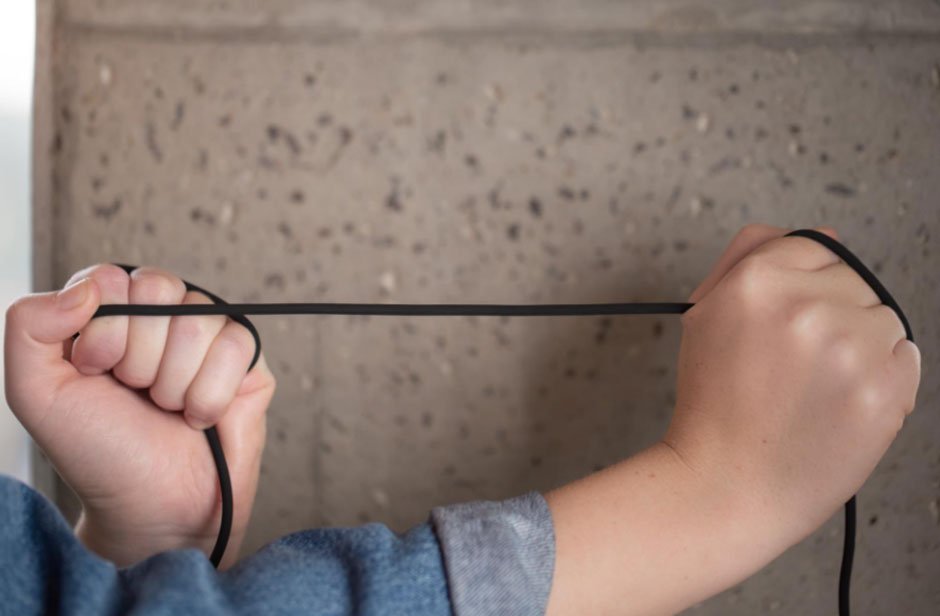
The first and most important thing to confirm is whether your outdoor extension cord is actually designed for outdoor use. This might sound obvious, but it’s a mistake many people make. Indoor cords aren’t built to handle moisture, temperature changes, or sunlight. Using them outdoors can quickly lead to cracks, electrical shorts, or, worse, fire hazards.
Look for cords labeled with a “W” or “SJTW” on the insulation. These letters indicate weather-resistant insulation and rugged construction. “W” stands for “weather-rated,” while “SJTW” means the cord is suitable for outdoor environments, thermoplastic-coated, and capable of handling moderate to heavy use.
Also, check the outer jacket material. A flexible yet tough vinyl or rubber coating helps protect against abrasion, UV rays, and accidental tugs across rough surfaces. The thicker and more solid the jacket feels, the better it can handle outdoor wear and tear.
2. Gauge (AWG) And Amperage Rating
If you’ve ever wondered what those numbers like “12/3” or “16/3” on a cord mean, they refer to the wire gauge and number of conductors. The indicator—represented by AWG (American Wire Gauge) is a key factor in determining how much electrical current your cord can safely carry.
Here’s a simple rule: the lower the AWG number, the thicker the wire, and the more power it can handle. For example, a 12-gauge cord can handle heavier loads and longer distances than a 16-gauge one.
For light-duty tasks like string lights or leaf blowers, a 16-gauge cord may suffice. But for power tools, pressure washers, or outdoor heaters, go for a 12-gauge cord. Always match the cord’s amperage rating with your equipment’s power draw. Using a cord that’s too thin can lead to overheating or voltage drops, both of which can damage your tools.
3. Length Matters—But Choose Wisely
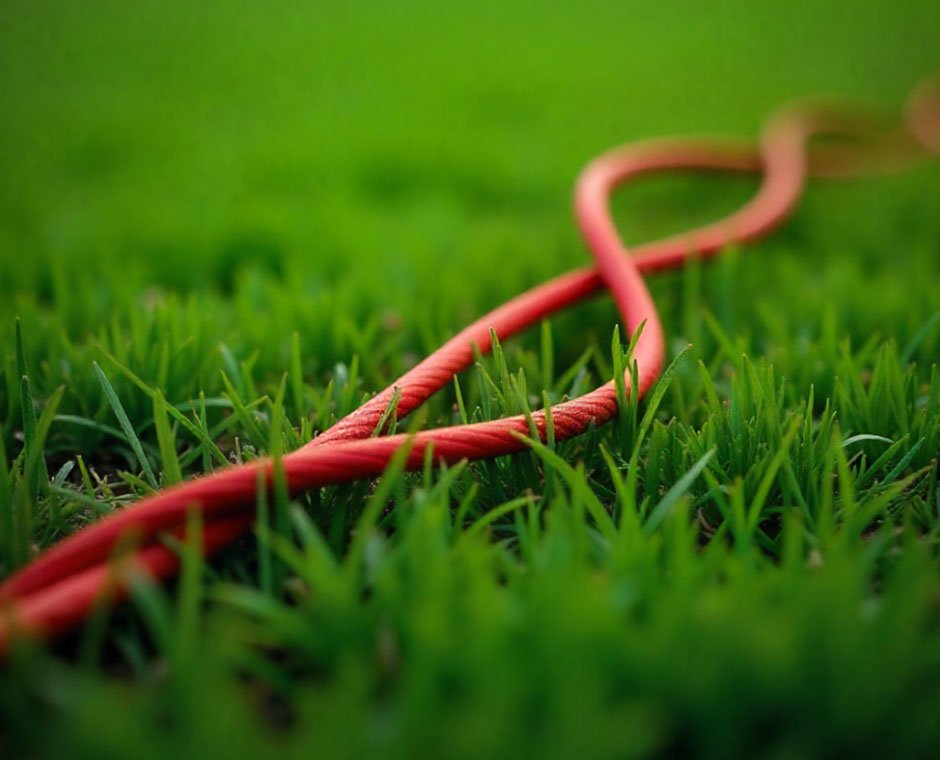
It’s tempting to buy the longest extension cord you can find but longer isn’t always better. As cord length increases, voltage drops become a real issue. That means your tool may not get enough power to operate efficiently.
For shorter distances, say, within 25 to 50 feet a medium-gauge cord works fine. If you need to stretch beyond 100 feet, choose a heavier gauge to maintain consistent power flow.
4. Plug Design and Safety Features
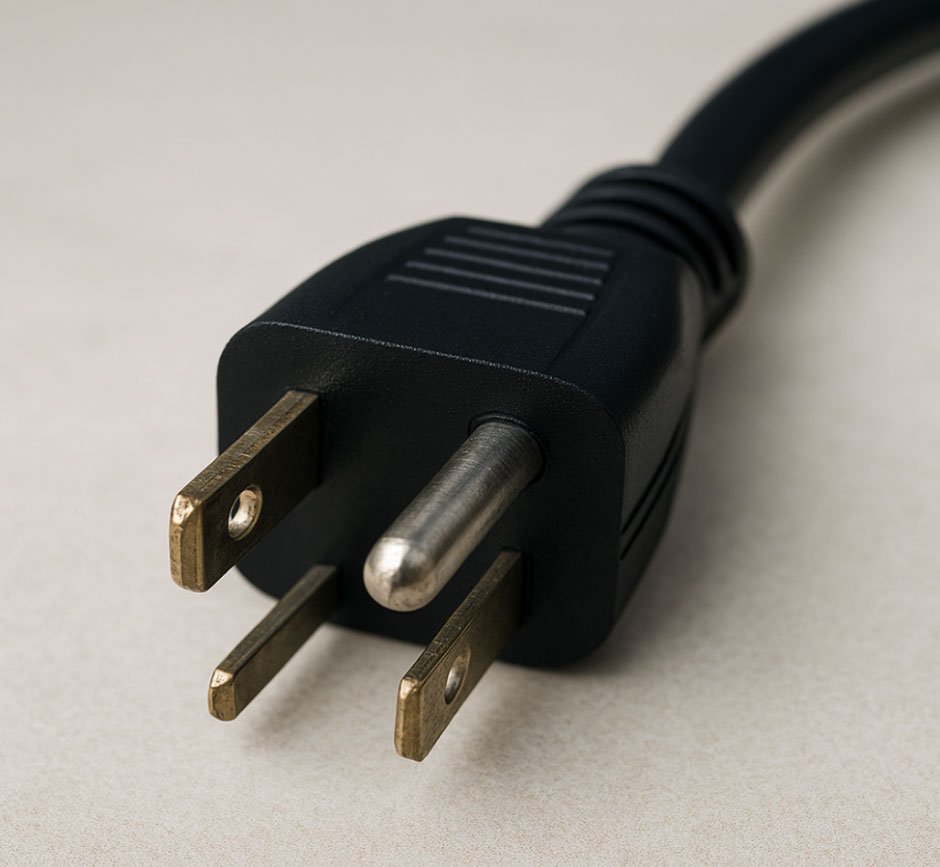
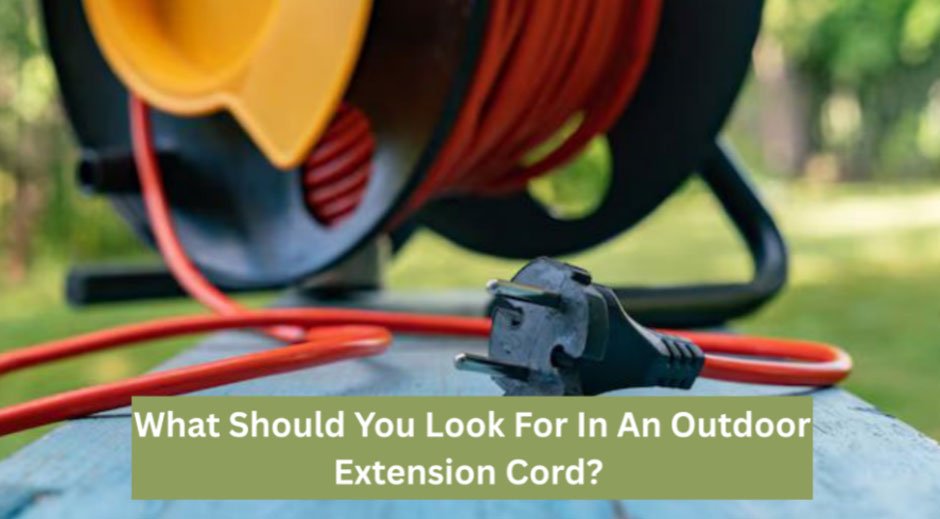
Not all plugs are created equally. Outdoor cords often feature molded, reinforced ends designed to resist moisture and wear. Look for cords with strain relief at the plug ends. This helps prevent the internal wires from pulling loose when the cord is yanked or twisted.
Grounded cords (three-pronged) are essential for outdoor use. The grounding prong reduces the risk of electric shock, especially in damp environments.
Some models even come with lighted ends that glow when the cord is live. This simple feature is surprisingly useful when working in low light, as it helps you confirm that power is flowing before you plug in your tools.
5. Weather and Temperature Resistance
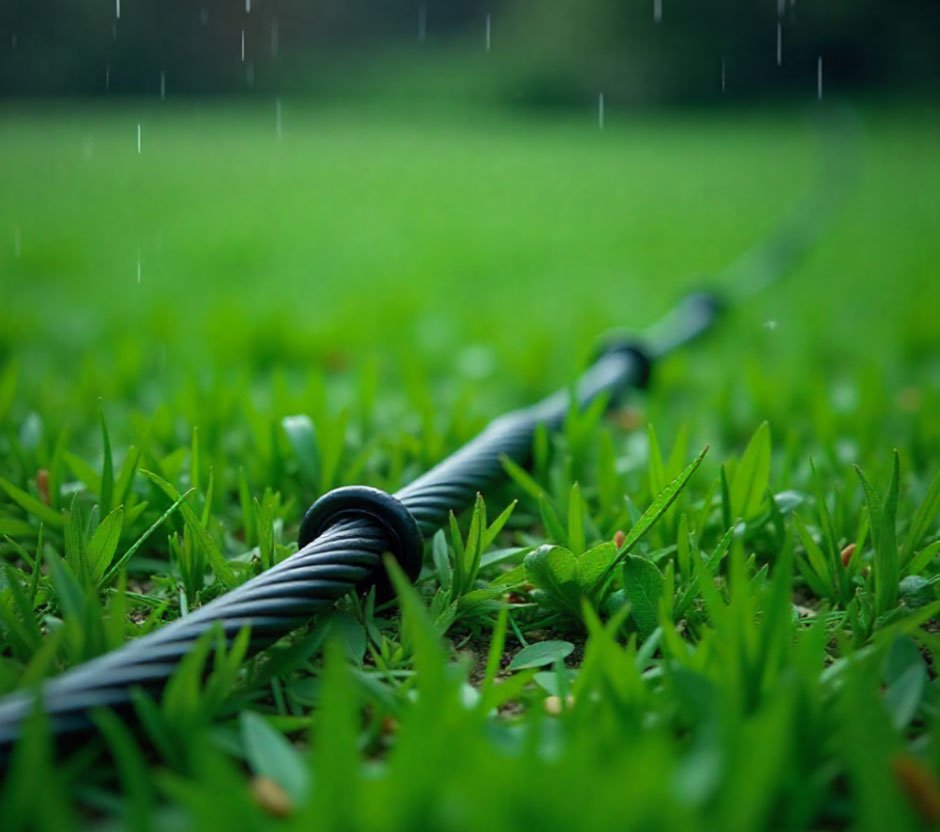
Outdoor environments can be unpredictable. Whether it’s the heat of summer or the chill of winter, your extension cord must remain flexible and reliable. Cords rated for extreme temperatures won’t stiffen, crack, or lose insulation integrity when exposed to harsh weather.
If you’re in a region with freezing winters, choose cords marked “cold weather” or rated to stay flexible at or below 0 degrees. Similarly, if your area sees intense sunlight, ensure the cord is UV-resistant. Constant exposure to sunlight can weaken plastic insulation, making it brittle over time.
A truly outdoor-ready cord will perform consistently, regardless of the season.
6. Water Resistance and GFCI Protection
Water and electricity are a dangerous mix. That’s why outdoor cords should always have moisture-resistant insulation. For added protection, consider using a Ground Fault Circuit Interrupter (GFCI) either built into the cord or connected to the power source.
A GFCI automatically cuts off power if it detects a ground fault, such as moisture entering the plug or a sudden short circuit. This quick response can prevent electric shocks and potential fires.
Whenever you’re working in damp environments like a garden, near a pool, or during light rain, GFCI protection is a must.
Final Thoughts
Choosing the right outdoor extension cord isn’t just about convenience, it’s about safety, performance, and reliability. By paying attention to factors like gauge, length, weather resistance, and certification, you ensure your tools run efficiently and your projects stay on track.
Whether you’re lighting up your patio, powering a hedge trimmer, or running equipment in the yard, the right cord can make all the difference between frustration and smooth, safe operation. Take the time to choose wisely, and your outdoor work will always stay powered, protected, and productive.