
A school can quietly shape how a child sees the world long before they step into adulthood. In Singapore, global education has evolved into something far more layered than standard academics. Students experience structured learning, cross-cultural exposure, and pathways that stay relevant across borders. This article looks at the lesser-discussed benefits of enrolling in an international school, focusing on how these environments support adaptability, identity, and long-term readiness in ways that feel practical and forward-focused.
Table of Contents
ToggleAcademic Continuity For Mobile Families
For families who move between countries, stability in education becomes a major concern. Choosing an international school helps maintain consistency even when locations change. Students can shift between campuses in different countries without losing academic progress.
This continuity reduces stress during transitions. It allows students to stay aligned with the same curriculum framework, which keeps learning steady. Over time, this stability supports confidence and ensures that relocation does not disrupt academic momentum.
Curriculum Depth Builds Strong Academic Foundations
Curriculum design in global schools goes far beyond basic subject coverage. Students in Singapore commonly follow IB, Cambridge, or American systems, each offering a layered approach to learning. The IB pathway includes PYP, MYP, and DP stages, which focus on inquiry, research, and reflection at different age levels. Cambridge moves from IGCSE to A-Levels with clear subject depth, while American programs include AP or honors tracks for advanced study.
Each system uses internal assessments, coursework, and final evaluations to measure progress. This structure helps students build strong conceptual understanding rather than short-term recall. Over time, learners gain clarity in subjects, develop analytical thinking, and prepare for university expectations with confidence and direction.
Exposure To Real-World Problem Contexts
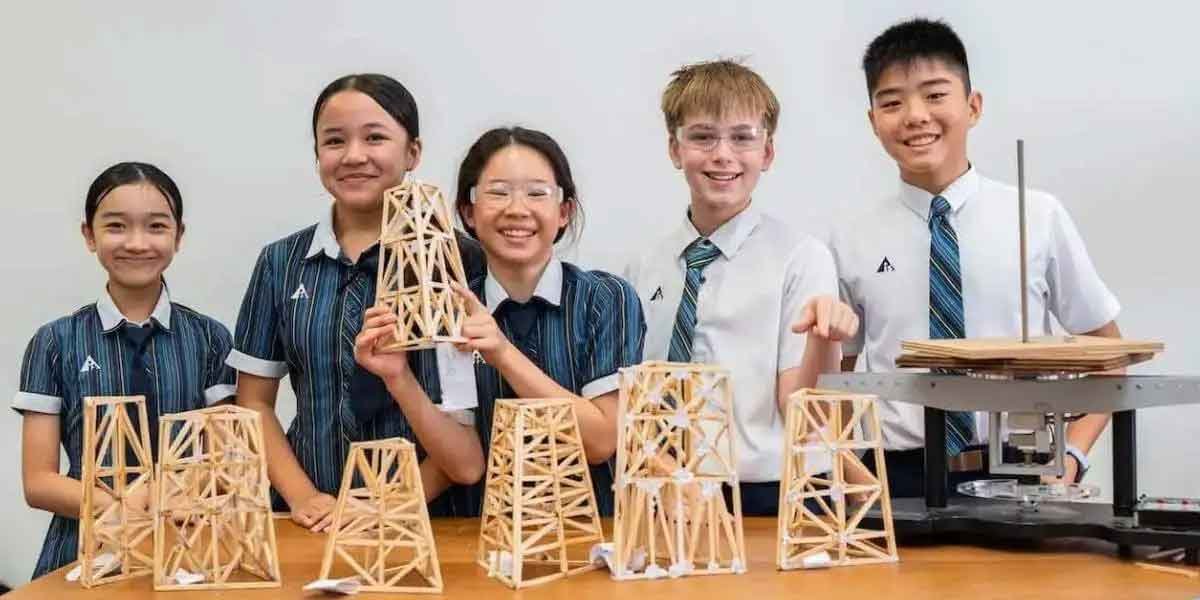
Global schools often design learning around real-world situations rather than isolated textbook concepts. Students work on projects that reflect current global topics, which helps them connect knowledge with practical use.
Examples of real-world focus include:
- Case studies linked to global issues
- Group projects that solve practical challenges
- Research tasks based on current events
This approach builds awareness and encourages students to think beyond classroom boundaries. It prepares them to handle complex situations with clarity and purpose.
Early Development Of Independent Learning Habits
Students in these schools learn how to manage their own academic responsibilities from an early stage. They plan assignments, organize study schedules, and track their progress with guidance from teachers.
This independence creates a sense of ownership over learning. Students become more disciplined and confident in handling tasks. These habits prove valuable later in higher education, where self-management plays a key role in success.
Curriculum That Encourages Interdisciplinary Thinking
Global education systems often connect subjects rather than treating them as separate areas. A science topic may link with mathematics, while literature discussions may include historical context.
Interdisciplinary benefits include:
- Better understanding of complex topics
- Ability to connect ideas across subjects
- Improved analytical and reasoning skills
This method helps students see the bigger picture. It strengthens their ability to approach problems with multiple perspectives.
Strong Emphasis On Student Voice And Choice
Students are encouraged to share ideas, ask questions, and participate actively in discussions. Their opinions are treated as an important part of the learning process.
This focus builds confidence and communication skills. Students learn to express thoughts clearly and respectfully. Over time, they become comfortable contributing in academic and social settings, which supports both personal and professional growth.
Teacher Expertise That Adapts To Individual Needs
Teachers in global schools bring experience from different education systems. This allows them to adjust teaching methods based on student needs and learning styles.
They provide consistent feedback and help students refine their approach to subjects. This personalized support ensures that students do not feel overlooked. It creates a balanced environment where each learner receives attention and guidance throughout their academic journey.
Global Mindset That Extends Beyond Academics
Many of the best international schools in Singapore focus on building a mindset that prepares students for global interaction. Students learn to understand cultural differences and adapt their communication style accordingly.
This mindset becomes valuable in higher education and professional environments. Students develop confidence in working with people from different backgrounds. This ability adds depth to their overall development and prepares them for future opportunities.
Guidance That Connects Education With Future Goals
Students receive support that goes beyond classroom learning. Advisors and mentors help them understand how academic choices relate to future careers and higher education.
They assist with subject selection and long-term planning, which helps students stay focused. This guidance adds direction to their efforts and ensures that their academic journey connects with broader life goals.
A closer look at any international school in Singapore reveals how these benefits come together to support student growth. Families who explore these options will notice a strong focus on adaptability, independence, and global awareness. Each element contributes to building confident learners who can handle change, think clearly, and move forward with purpose in an increasingly connected world.