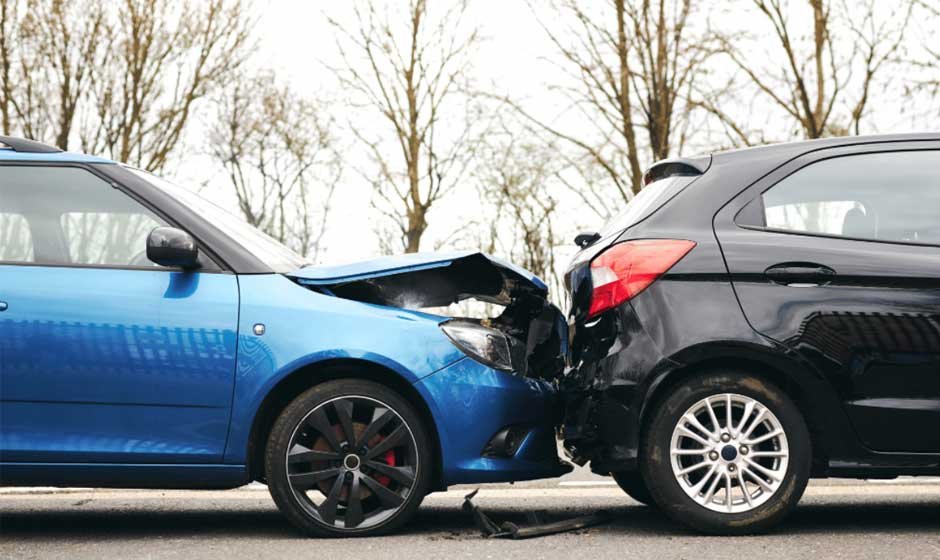
Motor vehicle accidents can happen in the blink of an eye, leaving drivers, passengers, and pedestrians shaken and unsure of what to do next. In Toronto, a city with busy streets, heavy traffic, and unpredictable weather, car accidents are unfortunately common. Knowing the right steps to take immediately after a motor vehicle accident can protect your health, legal rights, and potential insurance claims, and consulting a motor vehicle accident claim lawyer can ensure your case is handled properly.
Table of Contents
Toggle1. Ensure Safety First
The very first priority after any accident is safety. If anyone is injured, call 911 immediately for medical assistance. Even if injuries seem minor, it’s crucial to get checked by medical professionals, as some injuries, like whiplash or internal bleeding, may not be immediately apparent.
If the accident is minor and there are no serious injuries, move your vehicles to a safe location to avoid blocking traffic. Turn on hazard lights to alert other drivers, and ensure all parties remain out of immediate danger from oncoming traffic.
2. Call the Police
In Toronto, it’s mandatory to report motor vehicle accidents to the police if there are injuries, fatalities, or property damage exceeding $2,000. Even if the damage seems minor, having a police report is extremely helpful when dealing with insurance claims.
When calling the police, provide a clear description of the accident, location, and whether anyone is injured. Wait for officers to arrive and do not admit fault or discuss blame at the scene. Simply state the facts as they happened.
3. Exchange Information
You should exchange essential information with the other driver(s) involved. This includes:
- Full name and contact information
- Driver’s license number
- Vehicle registration and license plate number
- Insurance company and policy number
If there are witnesses, collect their names and contact details as well. Witnesses can provide crucial testimony for insurance or legal claims. Avoid discussing fault; stick to factual details.
4. Document the Scene
Collecting evidence at the scene can strengthen your case for insurance claims or legal action. Use your phone to take:
- Photos of vehicle damage from multiple angles
- Photos of the surrounding area, road conditions, and traffic signs
- Close-up images of any injuries
- Pictures of skid marks, debris, or other factors contributing to the accident
Additionally, jot down notes about what happened, the time, location, weather conditions, and any relevant details. These records can be invaluable when filing a claim or seeking legal advice.
5. Seek Medical Attention
Even if you feel fine immediately after the accident, some injuries may not show symptoms right away. Whiplash, concussions, and soft tissue injuries are common in motor vehicle accidents and may surface hours or days later.
Visiting a doctor not only ensures your health is prioritized but also creates an official medical record. This documentation is critical if you pursue an accident benefits claim or need to prove injury-related damages later.
6. Notify Your Insurance Company
Contact your insurance provider as soon as possible to report the accident. Be honest and provide accurate information, but avoid speculating about fault. Insurance companies will conduct their own investigation, and your prompt reporting can speed up the claims process.
Ask about coverage for accident benefits, including medical expenses, rehabilitation, and lost income. Ontario’s no-fault insurance system allows you to access benefits regardless of who caused the accident, but timely reporting is essential.
7. Consider Legal Advice
Even if the accident seems minor, consulting a motor vehicle accident lawyer can help protect your rights. Legal professionals can guide you through insurance claims, negotiate settlements, and represent you if there are disputes over fault or compensation.
A lawyer’s guidance is particularly important for cases involving serious injuries, catastrophic accidents, or disputes over liability. They can help you understand your legal options, including compensation for pain and suffering, lost wages, and ongoing medical care.
8. Avoid Social Media Discussions
It’s tempting to post about the accident on social media, but doing so can harm your claim. Insurance companies and opposing parties may use posts against you, so it’s best to keep all discussions private. Stick to sharing information only with your lawyer, insurance company, or medical professionals.
9. Follow Up on Medical and Legal Matters
After the initial emergency, continue attending medical appointments and keeping records of treatments, expenses, and recovery progress. Maintain all receipts, bills, and correspondence with doctors, therapists, or insurance companies.
If you’re working with a lawyer, provide all necessary documentation promptly. This helps ensure your claim is processed efficiently and that you receive fair compensation.
Final Thoughts
Motor vehicle accidents in Toronto can be overwhelming, but taking the right steps immediately afterward can protect your health, safety, and legal rights. Prioritize safety, report the accident to authorities, document everything, and seek professional advice when needed. By staying calm and organized, you can navigate the aftermath of an accident effectively and ensure that your rights are fully protected.
Remember, even seemingly minor accidents can have long-term consequences, so treating each incident seriously is always the best approach.