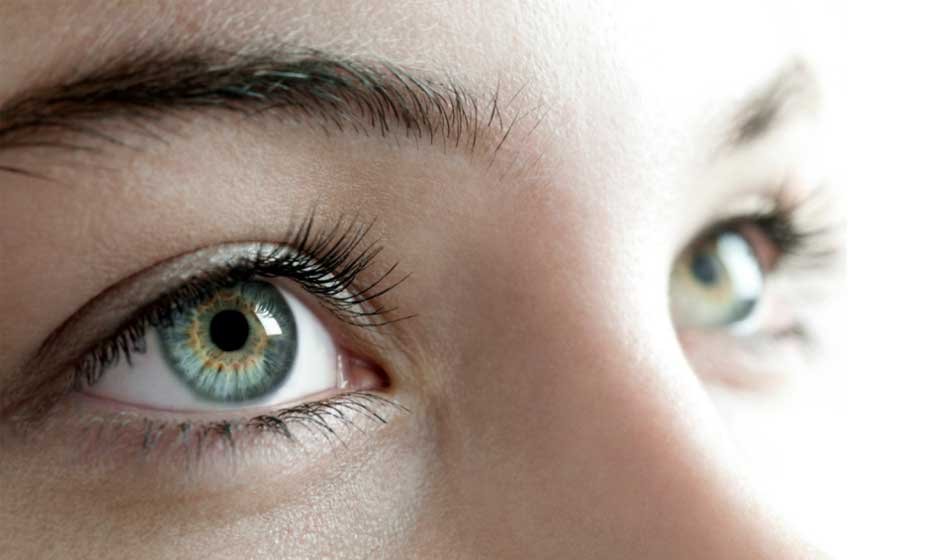
Nystagmus is a condition where the eyeballs move in an involuntary rhythmic manner, causing issues with balance and possibly blurred vision. Nystagmus may be presented in three different ways:
- Up and down (vertical nystagmus)
- Side-to-side (horizontal nystagmus)
- In a circular motion (rotary nystagmus)
This article explains what nystagmus is, its causes, its symptoms, and what to do if you or someone you know has it. Keep reading to learn more!
Types of Nystagmus
Nystagmus can affect people of any age—it may be present from birth (congenital) or develop later (acquired). There are 2 types of nystagmus:
Congenital nystagmus
Congenital nystagmus usually develops in infants by 3 months old and often occurs bilaterally. It commonly arises from ocular diseases, or it can be idiopathic, due to neurological disorders or genetic syndromes. The intensity of the nystagmus is known to improve along with the child’s age based on the etiology.
Acquired nystagmus
Acquired nystagmus typically develops in adolescence or adulthood. It may be caused by a range of factors, either involving the central nervous system or the peripheral vestibular system. Acquired nystagmus often leaves one experiencing dizziness. It can involve a sense of imbalance, blurry vision, uncontrollable eye movement, etc.
Symptoms of Nystagmus
Common symptoms of nystagmus include:
- Uncontrolled eye movements
- Blurry or unstable vision
- Sensitivity to light
- Dizziness or balance issues
- Head tilting
- Difficulty seeing in the dark
- Fatigue or eye strain
The severity and impact of symptoms can vary from person to person. Some people may experience mild symptoms that don’t significantly affect daily life, while others may have more noticeable difficulties. If you experience any of these symptoms, consult a medical specialist.
Causes of Nystagmus
The causes of nystagmus can vary. Several factors commonly associated with this condition include:
- Benign Paroxysmal Positional Vertigo (BPPV)
- Vestibular neuritis
- Meniere’s disease
- Head and neck injury
- Deficiencies in certain vitamins
- Neurological conditions -stroke, multiple sclerosis, brain tumours
- Autoimmune disease
- Vision and eye problems like astigmatism and Internuclear Ophthalmoplegia (INO)
As nystagmus is often linked to an underlying condition, it’s important to seek professional diagnosis to determine the cause and appropriate treatment.
How is Nystagmus Diagnosed?
You can consult, for instance, a neurologist, ophthalmologist, otolaryngologist, and an audiologist.
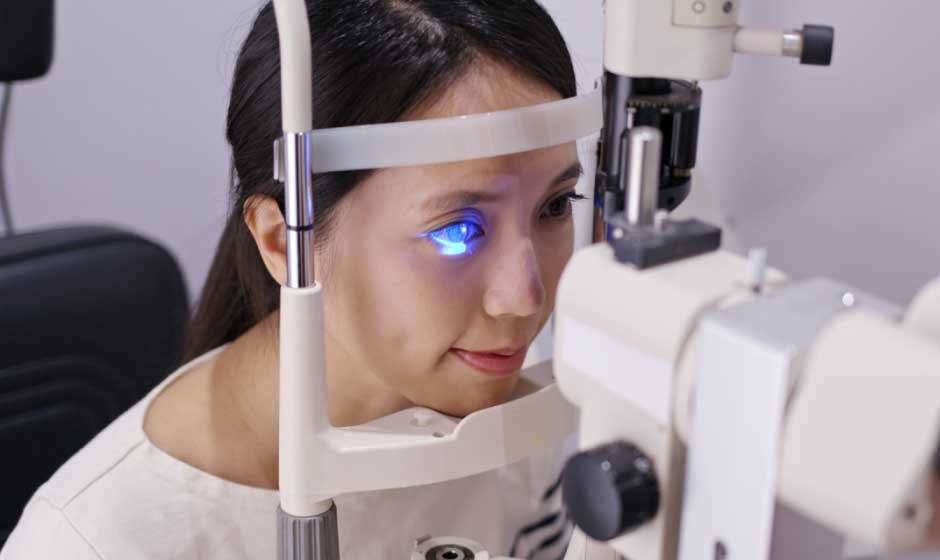
There are several procedures to aid in finding out the cause of nystagmus. If the nystagmus is accompanied by dizziness, seeking help from an Ear, Nose and Throat (ENT) clinic or an audiologist is recommended. The tests commonly done include:
- Vestibular bedside testing (including Dix-Hallpike maneuver, positional testing, head impulse test, etc.)
- Videonystgamography (VNG) test battery
- Calorics testing
- Rotary chair test
- Vestibular evoked myogenic potential
- MRI scan
If other contributing factors are suspected, additional tests may be required:
- Visual acuity tests
- Neurological examination — Nystagmus may be linked to certain brain conditions
- Brain imaging scans — CT scans or MRIs may detect any neurological causes, such as a stroke, tumour, or multiple sclerosis
Can Nystagmus Be Treated?
The treatment of nystagmus depends on its cause. In some cases, particularly with acquired nystagmus, addressing the underlying condition may help reduce or even resolve symptoms.
For example, if nystagmus is caused by an inner ear issue, stroke, or the side effects of medication, treating these conditions may help improve eye movement. However, for many people, nystagmus is a lifelong condition that cannot be completely cured.
Glasses or contact lenses
Wearing glasses or contact lenses can improve vision, which may help reduce excessive eye movement. In some cases, special prism lenses may also be prescribed to make focusing easier.
Epley maneuver
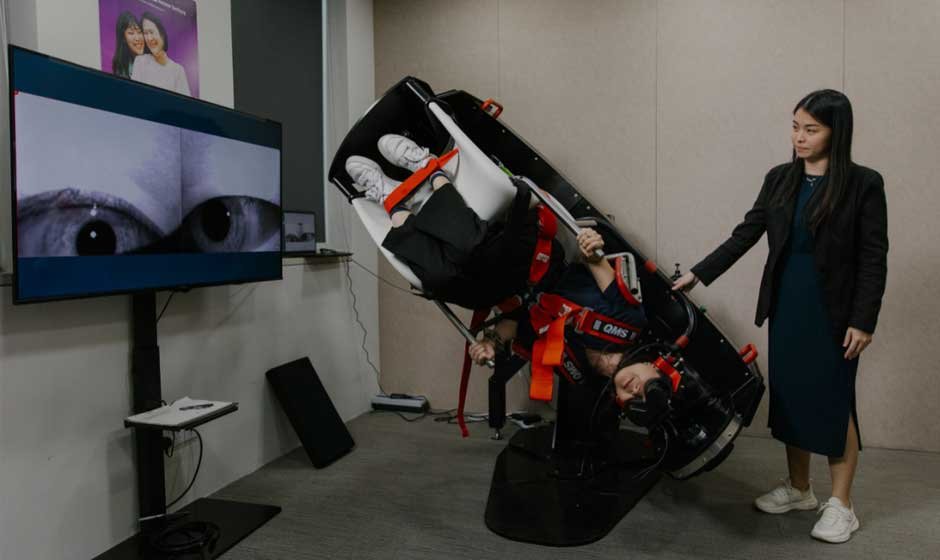
Epley manoeuvre, also known as the Canalith Repositioning Procedure (CRP), is a specialised method used to specifically treat BPPV, one of the common causes of acquired nystagmus. BPPV occurs when the inner calcium carbonate crystals (otoconia) in the vestibule (inner ear balance system) get dislodged and enter different part(s) of the system, causing positional vertigo that comes with the nystagmus.
The Epley maneuver uses controlled repositioning techniques to move the displaced inner calcium-carbonate crystals (otoconia) back to their proper location, helping to reduce vertigo and alleviate or remove positional nystagmus.
Conventionally, the Epley manoeuvre is performed by a healthcare provider who carefully moves the patient’s head and body through specific positions to reposition the otoconia within the semicircular canals. However, this method may be challenging for certain patients, especially those who are overweight, have disabilities, are elderly, or suffer from neck issues.
As such, some healthcare providers use the TRV chair to conduct the Epley manoeuvre. It allows examiners to rotate patients 360 degrees along the plane of each semicircular canal, offering greater precision and control than the conventional method.
Additionally, the chair can be locked in specific positions, allowing for a thorough examination of each semicircular canal to ensure effective treatment. This technology offers a more accessible and comfortable alternative for patients.
At Hearing Partners, we treat BPPV with the help of the TRV chair, ensuring a safe and comfortable experience.
Medications
Some medications, such as gabapentin (used for seizures), baclofen (a muscle relaxant), or onabotulinumtoxina, may help control nystagmus symptoms in certain cases. However, the effectiveness of these treatments varies, and they may have side effects that outweigh their benefits.
Surgery
Strabismus surgery may be performed (in rare cases) to reposition the muscles that control eye movement. While it doesn’t cure nystagmus, it can help reduce the need for head tilting or turning to see more clearly.
FAQs About Nystagmus
How common is nystagmus?
Nystagmus affects about 1 in every 1,000 people. It can affect both children and adults, but it’s most noticeable in kids.
Can I prevent nystagmus?
It’s often not preventable, especially if it’s genetic or linked to another medical condition. However, staying on top of your health, seeing a doctor promptly, and avoiding triggers that worsen symptoms (like stress or alcohol) can help reduce the risk.
How is BPPV related to nystagmus?
BPPV is a condition where tiny crystals (otoconia) in the inner ear become dislodged and move into the wrong canals, disrupting balance signals. When the head moves, these misplaced crystals cause abnormal fluid movement in the inner ear, triggering dizziness and involuntary eye movements known as nystagmus.