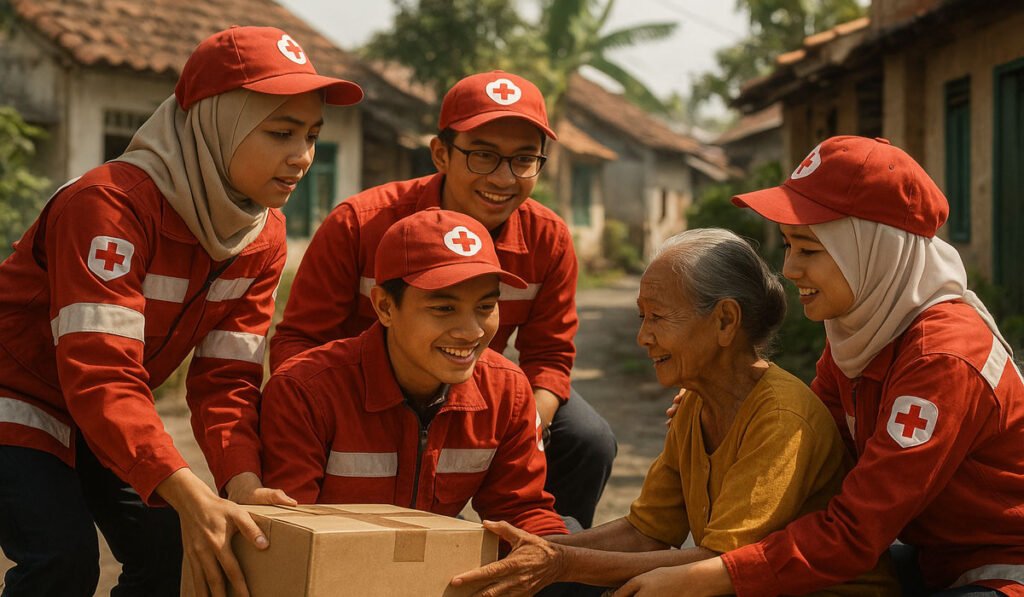
In the heart of Indonesia, a quiet yet powerful force of compassion and resilience thrives. This force is the Korps Sukarela, a movement that embodies the nation’s spirit of community and mutual support.
These are not just volunteers; they are the unsung heroes who appear when disaster strikes, when communities are in need, and when a helping hand is required. They are the living embodiment of a culture that values service above self.
Table of Contents
ToggleWhat is Korps Sukarela?
Korps Sukarela, often called KSR, is the dedicated volunteer arm of the Indonesian Red Cross (Palang Merah Indonesia, or PMI). The name itself translates simply to “Volunteer Corps.”
It represents a structured network of individuals from all walks of life—students, professionals, and everyday citizens—who have made a conscious choice to serve society. Their work is deeply rooted in the Indonesian cultural value of gotong royong, which signifies community cooperation and collective action for the common good.
KSR provides an institutional framework for this spirit, channeling individual goodwill into organized and effective humanitarian action.
A Legacy of Service: The History of Korps Sukarela
The origins of Korps Sukarela trace back to 1945, a pivotal moment in Indonesia’s history. As the nation found its independence, there was an urgent need for organized efforts to maintain order and provide humanitarian aid.
KSR was born from this necessity, initially focusing on disaster response and essential health services. Over the decades, it has evolved from a post-war initiative into a sophisticated, nationally recognized organization.
With branches in cities across the archipelago and active units in universities, KSR has grown into a symbol of resilience and enduring community strength.
The Core Mission: Activities and Roles
The mission of Korps Sukarela is broad, reflecting the diverse needs of Indonesian society. Their work is organized around several key pillars, each addressing a critical aspect of community well-being.
Disaster Response and Emergency Relief
When natural disasters like earthquakes, floods, or volcanic eruptions occur, KSR volunteers are on the front lines. They are trained to assist with evacuations, provide first aid, manage temporary shelters, and distribute essential supplies.
Their swift and coordinated actions have saved countless lives and provided comfort to those in crisis.
Health Initiatives and Community Outreach
Beyond emergencies, Korps Sukarela is deeply involved in public health. Volunteers organize blood donation drives, conduct free health check-ups, and run vaccination campaigns.
They also lead educational workshops on topics like hygiene and nutrition, empowering communities to take charge of their own health.
Community Development and Environmental Action
KSR is committed to long-term community empowerment. Volunteers engage in projects that build resilience, such as improving access to clean water and leading waste management initiatives.
They also participate in tree-planting campaigns, fostering environmental awareness and helping to create healthier, more sustainable communities.
The Volunteers: Training and Commitment
Becoming a KSR volunteer is a serious commitment. Before they can serve, recruits undergo extensive training, typically lasting between 76 and 120 hours.
This foundational training covers essential skills in first aid, disaster management, and logistics. The goal is to equip every volunteer with the confidence to act effectively in challenging situations.
Many also pursue advanced training in specialized fields, further enhancing their ability to contribute to humanitarian work.
How to Join the Ranks of Korps Sukarela
Korps Sukarela welcomes Indonesian citizens between 18 and 55 who are in good health and have a genuine desire to serve. The process begins by contacting a local PMI chapter.
Aspiring volunteers complete an application, undergo a screening process, and, if accepted, commit to the rigorous training program.
For students, many universities have their own KSR units, providing a direct pathway to get involved and develop leadership skills.
The Guiding Principles: Values of Korps Sukarela
The work of this volunteer corps is guided by the core principles of the international Red Cross and Red Crescent Movement. These values include humanity, impartiality, neutrality, and voluntary service.
Volunteers are driven by a deep respect for human dignity and a commitment to alleviating suffering without discrimination. This ethical foundation ensures their assistance is delivered with compassion and integrity.
The Enduring Impact of Korps Sukarela on Indonesian Society
The impact of Korps Sukarela is felt across the nation. With tens of thousands of active volunteers, they respond to hundreds of disaster missions each year.
Their health and social programs reach millions of people. More than just providing aid, KSR builds community resilience and fosters a spirit of solidarity.
They are a testament to the power of organized volunteerism and the profound difference that dedicated individuals can make.
Conclusion: The Future of Volunteerism in Indonesia
Korps Sukarela stands as a pillar of humanitarian service in Indonesia. It is a dynamic organization that continues to adapt to the changing needs of society.
As it moves forward, KSR remains committed to its core mission of serving humanity and inspiring a new generation of volunteers.
The spirit of gotong royong is alive and well in the hearts of these dedicated individuals, ensuring a brighter, more resilient future for all.