
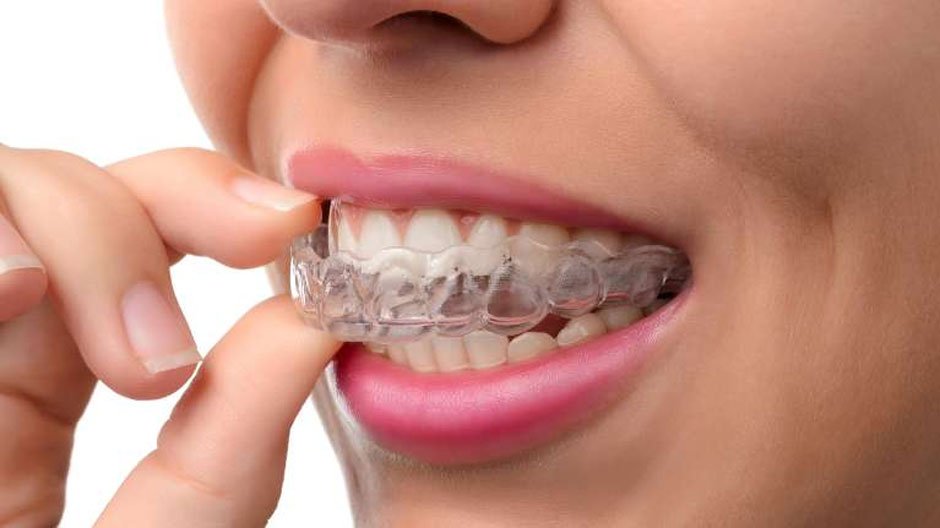
More people nowadays are open to seeking ways to correct teeth misalignment, whether for better oral health or simply personal preference. Adults, in particular, are increasingly turning to orthodontics as they reach milestones such as starting a new job or getting married. In fact, the National Dental Centre Singapore (NDCS) has reported a notable rise in adult orthodontic patients over the past few years, reflecting growing awareness of the importance of maintaining both oral health and a confident, well-aligned smile.
For a long time, traditional braces have been the most popular choice for aligning teeth. However, people seeking braces Singapore treatments can now also consider Invisalign, a clear, removable alternative that offers greater flexibility and discretion. Both options come with their own benefits and considerations, and knowing about their differences can help you choose the treatment that best fits your lifestyle and dental needs.
Let’s go over what you need to know about traditional braces and Invisalign to help you make a more informed decision about your orthodontic treatment:
Table of Contents
Toggle1) Appearance
Invisalign aligners are made from clear plastic, making them nearly invisible when worn. This makes them especially appealing to adults and professionals who want orthodontic treatment without it being obvious. You can straighten your teeth discreetly, which is why many Singapore patients prefer this option for aesthetic reasons.
Traditional braces, by contrast, involve metal or ceramic brackets and wires that are clearly visible. Ceramic braces are less noticeable than metal ones, but they are still more prominent than clear aligners. If a subtle treatment is important to you, a nearly invisible option like Invisalign may be more suitable.
2) Comfort
Comfort is an important consideration when choosing an orthodontic treatment, as braces or aligners are worn daily for months or even years. Invisalign aligners are custom-moulded to fit snugly over your teeth, and most patients find them more comfortable than braces. The smooth plastic reduces the risk of irritation or sores inside the mouth, and the gentle pressure of the aligners makes adjustments less painful compared with traditional methods.
On the other hand, traditional braces can rub against the cheeks and gums, often causing discomfort or small ulcers, especially after tightening appointments. For those sensitive to irritation, the removable and smooth design of aligners can feel less intrusive, making daily wear more manageable.
3) Removability
One of Invisalign’s main advantages is that the aligners are removable. You can take them out when eating, drinking anything other than water, brushing, or flossing, which gives you more flexibility in your daily routine. This also makes it easier to maintain proper oral hygiene without needing special tools or techniques.
Braces, however, don’t offer the same level of flexibility, as they are fixed in place for the entire treatment. Eating and cleaning require extra care to avoid damaging brackets or wires. Those who value convenience may prefer removable aligners, while braces remain an effective option if the patient doesn’t mind the extra care required for eating and cleaning.
4) Cleaning and Oral Hygiene
Maintaining good oral hygiene is a common concern during orthodontic treatment. With removable options like Invisalign, the aligners can be taken out, allowing you to brush and floss your teeth normally. This makes keeping your teeth clean straightforward and helps reduce the risk of plaque buildup, staining, and cavities.
Conversely, cleaning can be more challenging with fixed braces, as food and plaque often get trapped around brackets and wires. Additional tools such as floss threaders, interdental brushes, or water flossers are usually needed to maintain proper oral hygiene. For those seeking a simpler daily routine, removable aligners provide a practical advantage.
5) Eating Restrictions
Dietary habits are another factor to consider when planning orthodontic treatment. Eating is generally more flexible with Invisalign because the aligners can be removed during meals. You can enjoy your favourite foods without worrying about damaging the aligners, which is a clear advantage for those with varied diets.
With fixed braces, however, certain foods need to be avoided to prevent damage to wires or brackets. Hard, sticky, or chewy items can be problematic, which may require more careful planning around meals. Patients who prefer fewer dietary restrictions often find removable aligners to be a more convenient option.
6) Treatment Duration
The length of treatment varies depending on the orthodontic method and the complexity of your teeth alignment. Invisalign can take anywhere from a few months to about a year, with aligners replaced every 1–2 weeks. Patients also generally require fewer in-office visits, which can be convenient for those with busy schedules.
Meanwhile, treatment with braces typically lasts between 1 and 3 years, depending on the severity of the misalignment, and requires regular adjustments at the orthodontist’s office. Patients with simpler alignment needs may find Invisalign to be a faster and more flexible option, while braces remain highly effective for more complex cases.
Making the Right Choice for Your Dental Health
Ultimately, choosing between braces and Invisalign comes down to your dental needs, lifestyle, and personal preferences. Both options are effective for straightening teeth, but factors such as those discussed above can influence which solution suits you best. Be sure to consult your orthodontist as they can provide personalised advice tailored to your teeth and oral health, helping you make an informed decision for a healthier, more confident smile.