Winter camping offers a kind of beauty and quiet that no other season can match. Snow-covered landscapes, crisp air, and the stillness of a frozen forest create an unforgettable outdoor experience. At the same time, cold temperatures, strong winds, and unpredictable weather make winter camping far more demanding than a trip in warmer months. The difference between a magical adventure and an uncomfortable night often comes down to preparation and the gear you bring with you.
Rather than thinking of winter camping equipment as a simple checklist, it helps to see it as a complete system. Every item, from what you wear to what you sleep on, works together to protect your body from heat loss and moisture. This guide walks through the most important categories of winter キャンプ ギア and explains how each one contributes to warmth, safety, and overall comfort in cold, snowy, and windy conditions.
Table of Contents
ToggleUnderstanding the Challenges of Cold-Weather Camping
Cold weather changes the way your body and your gear behave. In low temperatures, your body burns more energy just to stay warm, which means you need better insulation, more food, and reliable shelter. Wind can strip away heat faster than still air, while snow and ice introduce moisture that can quickly turn into discomfort or even danger if not managed properly.
Your equipment also responds differently in winter. Materials can become stiff, batteries drain faster, and even simple tasks like opening a zipper or adjusting straps can feel more difficult with cold hands. Recognizing these challenges early helps you choose gear that is not only warm, but also practical and dependable in harsh conditions.
Shelter That Stands Up to Wind and Snow
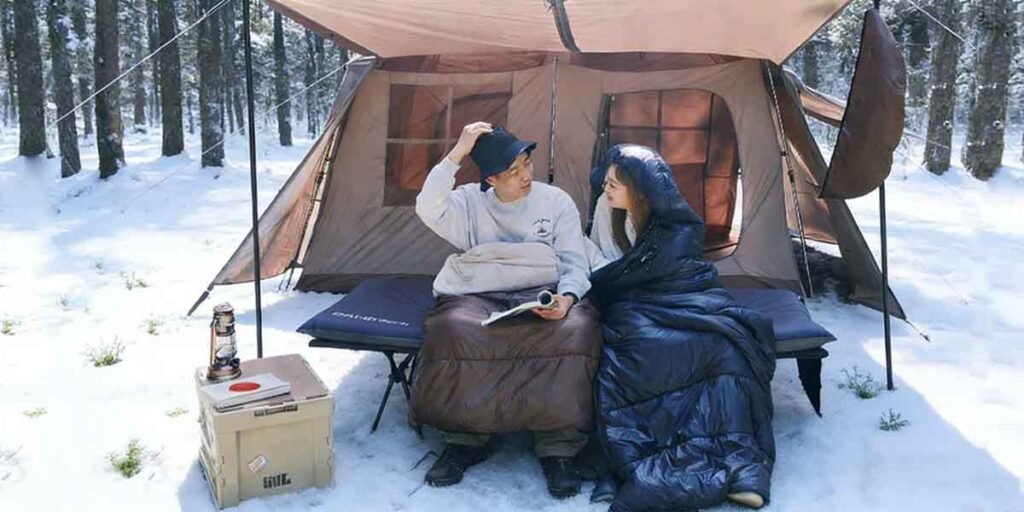
Your shelter is your first line of defense against winter weather. In cold and windy conditions, it needs to do more than simply keep you dry. It should block wind, handle snow accumulation, and create a small pocket of warmer air inside. A well-pitched tent or winter-rated shelter can make a noticeable difference in how comfortable you feel when temperatures drop overnight.
Location matters just as much as the shelter itself. Setting up in a spot that is slightly sheltered by trees or natural terrain can reduce wind exposure. Clearing snow from the ground before pitching your tent creates a flatter, more stable base and helps prevent melting snow from turning into moisture inside your sleeping area. Taking a few extra minutes to set up carefully can save hours of discomfort later.
The Importance of a Proper Sleeping System
Sleep is critical in winter camping, and your sleeping system is where warmth and comfort truly come together. A high-quality sleeping bag designed for cold temperatures helps trap body heat and prevent it from escaping into the surrounding air. The key is not just thickness, but how well the bag fits and how effectively it seals around your neck and shoulders to keep cold drafts out.
Equally important is what you sleep on. An インフレータブルマット or insulated sleeping mat creates a barrier between your body and the frozen ground, which can otherwise draw heat away throughout the night. Many campers focus heavily on the sleeping bag and overlook the pad, but both pieces work together as a single system. When combined properly, they can dramatically improve your ability to stay warm and rested, even in snowy conditions.
Clothing as a Layered Defense Against the Cold
Winter clothing works best when it is built in layers rather than a single heavy piece. Each layer has a specific role in managing heat and moisture. The layer closest to your skin should help move sweat away from your body, keeping you dry even when you are active. The middle layer provides insulation, trapping warm air to maintain body heat. The outer layer protects you from wind, snow, and rain, acting as a shield against the elements.
This layered approach allows you to adjust as conditions change. When you are hiking or setting up camp, you may need fewer layers to avoid overheating. Once you stop moving and the temperature drops, adding insulation helps prevent the chill from setting in. Accessories like hats, gloves, and warm socks are just as important, as a significant amount of body heat can be lost through your head and extremities.
Managing Moisture in a Winter Environment
Moisture is one of the biggest threats to comfort in cold conditions. Sweat that stays trapped in clothing can quickly make you feel colder once you stop moving. Snow that melts into your gear can have the same effect. This is why breathable materials and proper ventilation are essential parts of winter camping preparation.
Inside your shelter, allowing a small amount of airflow can help reduce condensation. While it may seem counterintuitive to let cold air in, proper ventilation prevents moisture from building up on the walls of your tent and dripping onto your sleeping system. Keeping your sleeping bag and inflatable pad dry is just as important as keeping them warm.
Food, Hydration, and Energy in Cold Weather
Cold temperatures increase the amount of energy your body uses, which means you need to eat and drink more than you might expect. Warm meals and hot drinks not only provide calories, but also help raise your core temperature, offering a sense of comfort at the end of a long day.
Staying hydrated can be more challenging in winter, as water sources may be frozen and cold air can reduce your sense of thirst. Insulated containers can help prevent liquids from freezing, making it easier to maintain regular hydration. Planning meals that are easy to prepare and high in energy can make a noticeable difference in how you feel throughout your trip.
Lighting and Navigation in Shorter Days
Winter days are often shorter, which means you may find yourself setting up camp or packing up in low-light conditions. Reliable lighting becomes an essential part of your gear system. Headlamps or lanterns allow you to keep your hands free while navigating your campsite or preparing meals.
Navigation tools are also important, especially in snowy environments where trails can become obscured. Maps, compasses, or digital navigation devices help ensure you stay on course, even when familiar landmarks are hidden beneath a layer of snow. Being prepared for limited visibility adds an extra layer of safety to your winter adventure.
Creating a Comfortable Camp Routine
Comfort in winter camping is not just about having the right gear, but also about how you use it. Developing a routine that minimizes exposure to the cold can make evenings and mornings much more enjoyable. Changing into dry clothes before getting into your sleeping bag, for example, helps preserve warmth and keeps moisture away from your insulation.
Small habits, such as keeping essential items within reach inside your shelter, can also reduce the need to step outside into the cold. When your gear is organized and accessible, you spend less time searching and more time enjoying the experience.
Preparing for the Unexpected
Even with careful planning, winter conditions can change quickly. Sudden drops in temperature, stronger winds, or unexpected snowfall can all impact your trip. Carrying basic emergency supplies and having a clear plan for how to respond to changing weather can provide peace of mind.
This preparation extends to knowing when to adjust your plans or even turn back. Winter camping is as much about good judgment as it is about equipment. Being flexible and aware of your limits helps ensure that every trip ends safely.
Turning Gear Into Confidence
The right winter camping gear does more than keep you warm—it gives you confidence. When you know your sleeping bag and inflatable pad can handle cold ground and icy nights, or that your shelter can stand up to wind and snow, you can focus more on the experience itself rather than worrying about discomfort.
Winter camping may require more preparation than other seasons, but the rewards are just as great. With a thoughtful approach to gear and a clear understanding of how each piece contributes to warmth, safety, and comfort, you can create a system that supports you through even the coldest, snowiest, and windiest conditions. The result is not just survival in winter, but a deeper appreciation for the quiet beauty and unique challenges that cold-season camping has to offer.