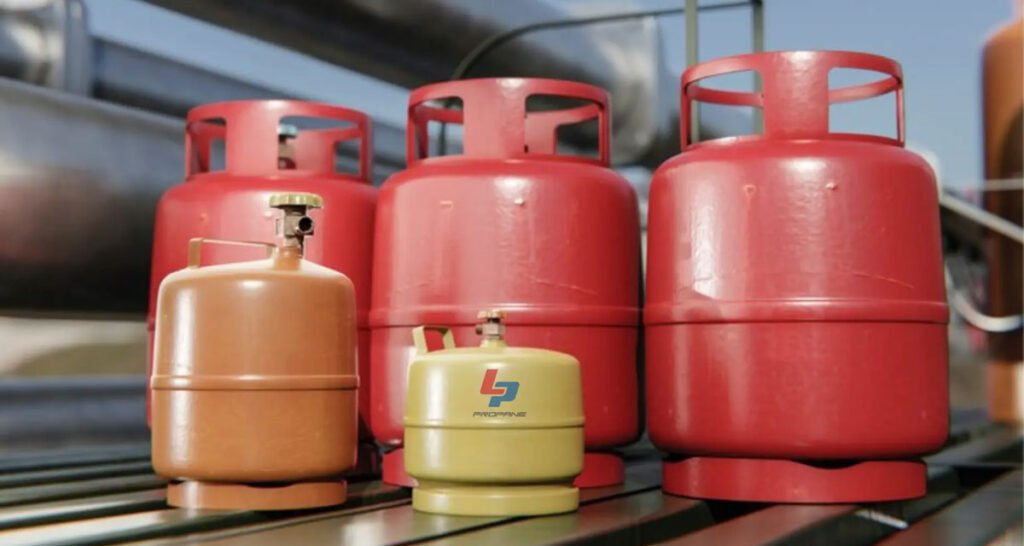
Propane storage innovations continue to reshape how fuel is handled across residential, commercial, and mobile applications. Advancements in engineering and material science have introduced new approaches that improve both operational safety and long-term efficiency.
Modern designs focus on strengthening the structural integrity of propane tanks while reducing overall weight. These improvements allow for easier handling without sacrificing durability or pressure resistance.
Large-scale systems often rely on ASME tanks, which follow strict fabrication standards and are built for permanent installation. Their construction reflects ongoing advancements in welding precision and material consistency.
Mobility has also improved through developments in tanks on wheels, which combine portability with reinforced support structures. These designs reduce strain during transport and limit movement-related wear.
Supporting components such as propane accessories have progressed alongside tank systems. Updated valves, connectors, and regulators contribute to safer operation and improved fuel control.
Table of Contents
ToggleAdvanced Materials and Manufacturing Techniques
Material selection remains a central focus in propane storage innovation. High-strength steel alloys now offer improved resistance to pressure and environmental stress. These materials maintain their shape under repeated use, which supports longer service life.
Manufacturing processes have also advanced. Precision welding reduces weak points that could develop into structural issues over time. Automated systems allow for consistent weld quality across large production runs.
Composite materials have entered the market as well. These alternatives reduce weight while maintaining durability. Lighter tanks simplify transportation and handling, especially in mobile or portable applications.
Surface treatments further improve performance. Protective coatings resist corrosion caused by moisture and outdoor exposure. This added layer of defense helps maintain structural integrity over extended periods.
Improved Valve and Pressure Management Systems
Valve technology has seen distinct progress in recent years. Modern valves include multiple safety mechanisms that regulate internal pressure more effectively. These features help prevent overfilling and reduce the likelihood of accidental release.
Pressure relief systems respond more accurately to changes in temperature and internal conditions. This responsiveness supports safer storage in environments where temperature fluctuations are common.
Quick-connect fittings simplify the process of attaching tanks to appliances. These connections reduce the chance of improper installation and improve overall efficiency during setup.
Flow control has also improved. New valve designs allow for more precise fuel delivery, which supports consistent performance across different applications.
Better Mobility and Transport Solutions
Transporting propane safely requires careful attention to design. Innovations in mobility have focused on reducing physical strain and improving stability during movement.
Wheeled tank systems now include reinforced frames that distribute weight evenly. This design reduces the risk of tipping or imbalance during transport. Secure mounting points further stabilize the tank in transit.
Compact configurations allow for easier storage in vehicles or confined spaces. These designs support a vast array of applications, from residential use to mobile work environments.
Shock-absorbing features have been introduced to protect tanks during transport. These elements reduce the impact of vibrations and sudden movements, which helps maintain structural integrity.
Transport safety also benefits from improved labeling and tracking systems. Clear markings and identification features help users monitor tank status and maintenance history.
Digital Monitoring and Smart Technology
Technology has introduced new ways to monitor propane systems. Digital gauges now allow users to track fuel levels with greater accuracy. This information supports better planning and reduces the risk of unexpected shortages.
Remote monitoring systems have expanded functionality. Users can receive alerts about pressure changes or potential issues. This capability adds an extra layer of awareness, especially in remote or unattended installations.
Smart regulators adjust fuel flow based on demand. These systems optimize performance without requiring manual adjustments. Consistent output supports both safety and efficiency.
Data tracking also contributes to maintenance planning. Recording usage patterns helps identify when inspections or servicing may be needed. This proactive approach reduces downtime and extends equipment lifespan.
Safety Improvements in Storage Design
Safety remains a primary focus in propane storage development. New designs incorporate features that reduce the likelihood of accidents during storage and use.
Protective collars shield valves from physical damage. These structures prevent impact-related issues that could lead to leaks. Reinforced bases improve stability when tanks are placed on uneven surfaces.
Ventilation considerations have also improved. Storage systems now account for airflow to reduce the buildup of gas in enclosed areas. Proper ventilation supports safer operation in both indoor and outdoor settings.
Fire resistance has seen progress as well. Materials and coatings designed to resist heat exposure contribute to safer storage conditions. These features add another layer of protection in high-risk environments.
Efficiency Gains in Fuel Distribution
Efficiency improvements extend beyond storage to include distribution systems. Better fuel management reduces waste and supports consistent performance across applications.
Bulk storage systems now incorporate advanced flow controls. These controls regulate fuel transfer with greater precision, which reduces loss during distribution. Accurate measurement also supports better inventory management.
Transport vehicles have adopted improved tank designs. These upgrades allow for safer and more efficient fuel delivery across long distances. Reduced weight contributes to lower fuel consumption during transport.
Refilling processes have become more efficient through updated equipment. Faster transfer rates reduce wait times while maintaining safe operating conditions. This improvement benefits both service providers and end users.
Environmental Considerations and Sustainability
Sustainability continues to influence propane storage innovation. Cleaner manufacturing processes reduce environmental impact during production. Material selection also reflects a focus on long-term resource management.
Reusable tank systems support waste reduction. Extending the lifespan of storage equipment reduces the need for frequent replacement. This approach meets with broader sustainability goals.
Improved efficiency contributes to lower emissions during use. Better fuel control reduces unnecessary consumption, which supports more responsible energy use.
Recycling initiatives have also expanded. End-of-life tanks can be processed and repurposed, which reduces environmental strain. These programs contribute to a more sustainable lifecycle for propane equipment.
Adapting to Diverse Applications
Modern propane storage systems must adapt to a number of uses. Residential, commercial, and industrial applications each present unique challenges that require flexible solutions.
Portable systems cater to mobile users who require compact and lightweight designs. These systems prioritize ease of transport and quick setup.
Larger installations focus on capacity and durability. Permanent tanks must support consistent use over long periods without frequent maintenance.
Hybrid systems combine elements of both portability and capacity. These configurations allow users to scale their setup based on changing needs.
Customization options have expanded as well. Users can select components that match their specific requirements, which improves overall system performance.
What’s in Store for Propane Storage and Transport?
Ongoing innovation continues to shape the future of propane systems. Research and development efforts focus on improving safety, efficiency, and user experience.
Emerging technologies may introduce new materials that further reduce weight while maintaining strength. These advancements could expand the range of applications for propane storage systems.
Automation may also play a larger part in fuel management. Systems that adjust output based on demand could become more common, improving efficiency across different environments.
User expectations continue to progress. Demand for reliable, easy-to-use systems drives ongoing improvement in design and functionality. Meeting these expectations requires continuous refinement of existing technologies.
Propane storage and transport systems have advanced in recent years. Continued innovation supports safer handling, improved efficiency, and greater adaptability across numerous applications.