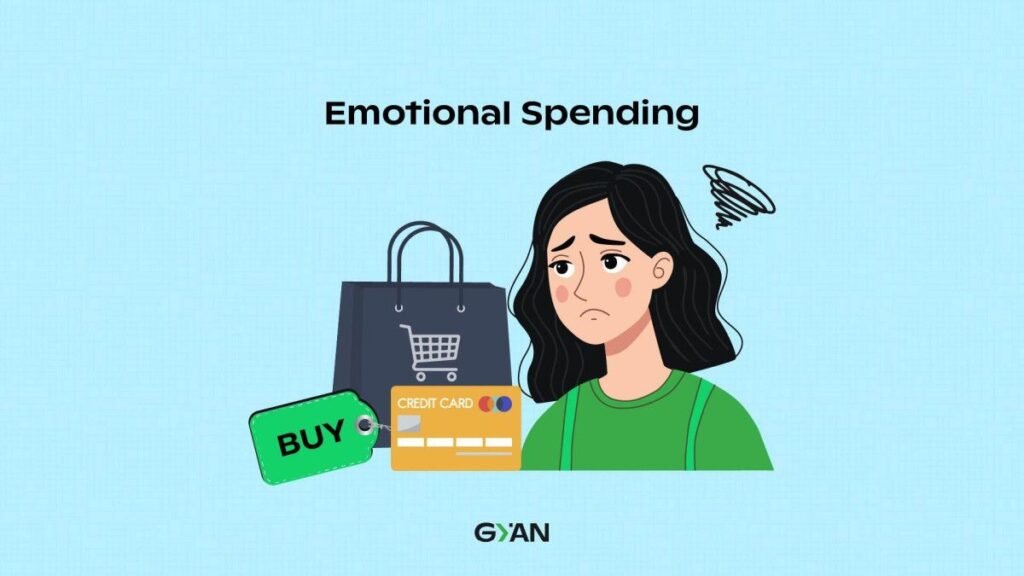
In a world full of advertisements, impulsive promotions, and easy access to online shopping, emotional spending has become an all-too-common way for people to cope with feelings. Whether it’s stress, boredom, happiness, or frustration, emotions often drive us to make purchases that we don’t necessarily need. These purchases can disrupt your financial goals, affect your savings, and even increase your debt. But understanding your emotional spending triggers—specific feelings or situations that prompt you to spend—can help you regain control over your budget and build healthier financial habits.
Table of Contents
ToggleThe Emotional Connection to Spending
We all know that shopping can feel good in the moment. The rush of buying something new, especially when you’re feeling down, can offer a temporary sense of relief. It’s easy to justify a small splurge when you’re feeling happy or even stressed. However, it’s important to recognize that these purchases are often a way to manage emotions rather than meet actual needs. When you identify your emotional spending triggers, you begin to see patterns in your behavior and can take steps to avoid these pitfalls.
For instance, if you’ve ever found yourself making purchases after a stressful day at work or a disagreement with a loved one, you’re not alone. These feelings are classic triggers for emotional spending. In some cases, they might even be tied to broader financial circumstances, such as living with Irregular Income definition and meaning, where fluctuating paychecks may lead to moments of anxiety and impulsive spending as a coping mechanism.
Stress and the Urge to Spend
Stress is one of the most powerful emotional triggers for spending. Whether it’s financial stress, work stress, or personal stress, many people turn to shopping as a way to “de-stress” or distract themselves from their problems. This behavior is often called “retail therapy.” While buying something new might provide a temporary distraction, it doesn’t solve the root cause of the stress and can actually make you feel worse later, especially if the purchase leads to regret or financial strain.
The key to overcoming stress-driven spending is recognizing when you’re feeling overwhelmed and choosing healthier ways to manage your emotions. Instead of turning to shopping, consider taking a walk, practicing meditation, or engaging in a hobby you enjoy. Developing a set of alternative coping strategies can reduce your reliance on spending as a stress-reliever.
Boredom and Mindless Spending
Boredom is another common emotional trigger for spending. When there’s a lack of excitement in your life, buying something new can feel like a quick fix to inject a bit of fun. With online shopping at our fingertips, it’s easy to browse through items and make a purchase when you’re looking for something to do. However, this type of spending is usually mindless and can leave you with things you don’t really need.
To break the cycle of boredom-driven spending, try identifying activities that fulfill you without involving money. Explore new hobbies, visit local parks, or reconnect with friends and family. The goal is to find joy and fulfillment outside of consumerism.
Emotional Reward and Justification
Sometimes, emotional spending happens when we want to reward ourselves for something positive. If you’ve had a good day at work, achieved a goal, or simply feel like you deserve a treat, it’s easy to justify buying something nice for yourself. While self-rewarding is important for maintaining motivation and celebrating accomplishments, it’s crucial to set limits to avoid overindulgence.
One way to manage this is by creating a “reward fund” in your budget. When you meet a specific goal, you can tap into this fund to purchase something special. This system allows you to feel rewarded without jeopardizing your financial stability.
Social Influence and Peer Pressure
Social influence is another emotional trigger that can lead to unnecessary spending. Whether it’s keeping up with trends or buying what your friends are purchasing, peer pressure can drive impulsive decisions. The desire to fit in or impress others can make it easy to overspend in an attempt to keep up.
To combat this, focus on your personal values and financial goals. Remember that your financial situation is unique, and there’s no need to compare your spending habits to those of others. It can also help to spend more time with people who share your financial priorities, so you’re less likely to be influenced by external pressures.
Creating Awareness of Your Triggers
The first step in curbing emotional spending is identifying the specific triggers that lead to impulsive purchases. Pay attention to the emotions or situations that prompt you to buy things on a whim. You might keep a journal or track your spending in an app to see if there’s a pattern.
Once you’re aware of your emotional triggers, you can take proactive steps to avoid them. For instance, if you know that you tend to shop when you’re bored, you can make a conscious effort to avoid browsing online when you’re not busy. Or, if stress is a major trigger, you can develop new coping mechanisms, such as deep breathing or exercising, to help you manage your emotions without turning to your credit card.
Another strategy is to implement a 24-hour rule for major purchases. When you feel the urge to buy something, give yourself a day to think it over. This can give you time to reflect on whether the purchase is necessary or if it’s just a reaction to your current emotional state. Often, you’ll find that after waiting, the urge to buy will fade, and you’ll feel more in control of your finances.
Seeking Support and Accountability
If you find it difficult to manage emotional spending on your own, consider seeking support from others. This could be a financial advisor, a friend, or a support group. Talking about your spending habits and receiving feedback can help you stay on track and avoid making decisions that don’t align with your financial goals.
Accountability partners can also help you stay mindful of your budget. By sharing your goals with someone you trust, you can feel more committed to sticking to your spending limits. This can be especially helpful when you’re working to break old habits and replace them with healthier financial choices.
Conclusion
Emotional spending is a common challenge, but it’s one that you can overcome with awareness, planning, and self-discipline. By identifying your emotional spending triggers—whether they’re linked to stress, boredom, or social pressure—you can take control of your spending habits and make more intentional choices. Developing alternative coping strategies, creating a reward system, and seeking support are all effective ways to regain control over your budget and reduce the emotional impulse to spend. With time and practice, you can break the cycle of emotional spending and build a healthier, more sustainable relationship with money.