
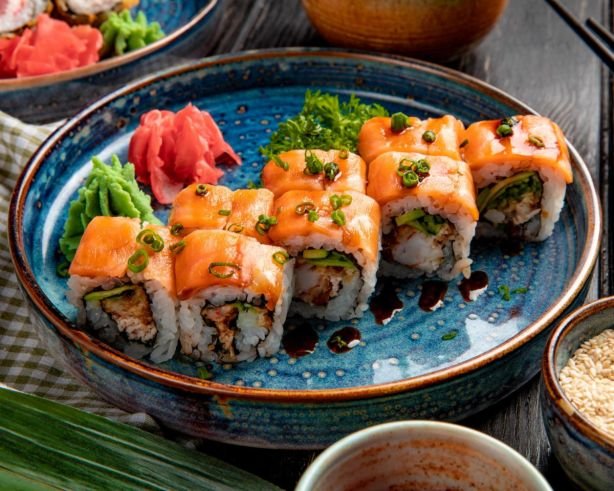
Sushi has evolved from a traditional Japanese delicacy into a global culinary phenomenon. Whether you are a seasoned enthusiast or someone exploring it for the first time, sushi offers a unique blend of taste, texture, and cultural significance. Understanding how to navigate a sushi experience—from appreciating its origins to reading a Menu—can transform a simple meal into something memorable.
Table of Contents
ToggleUnderstanding the Origins of Sushi
Sushi traces its roots back to ancient Japan, where it began as a method of preserving fish in fermented rice. Over time, it evolved into the fresh and delicate cuisine we know today. Modern sushi emphasizes simplicity, allowing the natural flavors of fish, rice, and seaweed to shine.
The global popularity of sushi has led to countless variations. From traditional nigiri and sashimi to contemporary fusion rolls, each dish reflects a balance between innovation and heritage. Restaurants such as Seafeast Sushi represent how sushi culture has spread worldwide while maintaining its core principles.
The Components of a Perfect Sushi Dish
At its heart, sushi is about harmony. A well-prepared dish balances several key elements:
- Rice (Shari): Seasoned with vinegar, sugar, and salt, sushi rice forms the base of most dishes.
- Fish and Seafood (Neta): Freshness is crucial, whether it’s tuna, salmon, or eel.
- Seaweed (Nori): Adds texture and a subtle ocean flavor.
- Condiments: Wasabi, soy sauce, and pickled ginger enhance the overall experience.
When browsing a Menu, you’ll often notice how these ingredients are combined in different ways to create diverse offerings.
Types of Sushi You Should Know
For beginners, sushi menus can feel overwhelming. Here are some of the most common types:
- Nigiri: Hand-pressed rice topped with slices of fish
- Sashimi: Thinly sliced raw fish served without rice
- Maki Rolls: Rice and fillings wrapped in seaweed
- Uramaki: Inside-out rolls with rice on the outside
- Temaki: Hand rolls shaped like cones
Exploring these categories helps you better understand any Menu, whether at a local restaurant or a place like Seafeast Sushi.
How to Read a Sushi Menu Like a Pro
A sushi Menu is more than just a list of dishes—it’s a guide to flavors and textures. Here are some tips to navigate it effectively:
- Start Simple: If you’re new, begin with familiar options like California rolls or salmon nigiri.
- Look for Chef Specials: These often highlight the freshest ingredients of the day.
- Understand Terminology: Words like “tempura,” “teriyaki,” and “spicy” indicate preparation styles.
- Ask Questions: Don’t hesitate to ask staff for recommendations or explanations.
Restaurants such as Seafeast Sushi often design their Menu to cater to both beginners and experienced diners, offering a wide range of choices.
The Cultural Etiquette of Sushi Dining
Sushi is deeply rooted in Japanese culture, and observing proper etiquette can enhance your experience:
- Use chopsticks or hands: Both are acceptable for eating sushi.
- Dip fish side first: When using soy sauce, dip the fish—not the rice—to maintain structure.
- Eat in one bite: This preserves the intended flavor balance.
- Respect the chef: Sushi preparation is considered an art form.
Understanding these customs adds a layer of appreciation to your meal, whether you’re dining locally or exploring international cuisine.
The Rise of Sushi in Global Cuisine
Sushi’s popularity has grown rapidly over the past few decades. Today, it is enjoyed in cities around the world, from Tokyo to New York. This global expansion has led to creative adaptations, including vegetarian rolls, fusion dishes, and even dessert sushi.
Restaurants like Seafeast Sushi illustrate how traditional techniques can coexist with modern innovation. Their diverse Menu offerings reflect the evolving tastes of global diners while staying true to the essence of sushi.
Health Benefits of Sushi
Sushi is often considered a healthy dining option due to its nutrient-rich ingredients:
- High in protein: Fish like tuna and salmon are excellent protein sources
- Rich in omega-3 fatty acids: Supports heart and brain health
- Low in calories: Especially for simpler rolls and sashimi
- Contains essential vitamins and minerals: Including iodine and vitamin D
However, it’s important to be mindful of portion sizes and ingredients like sauces or fried components, which can increase calorie intake.
Tips for an Enjoyable Sushi Experience
To make the most of your sushi journey, keep these tips in mind:
- Choose reputable restaurants: Freshness and quality are key
- Experiment with flavors: Try new combinations and ingredients
- Pair wisely: Green tea or light beverages complement sushi well
- Take your time: Enjoy each bite and the craftsmanship behind it
Whether you’re dining at a well-known spot or exploring a new place, the experience is as much about discovery as it is about taste.
Conclusion
Sushi is more than just a meal—it’s a cultural experience that blends tradition, artistry, and flavor. From understanding its origins to navigating a detailed Menu, every step offers an opportunity to learn and enjoy. Establishments like Seafeast Sushi highlight how sushi continues to evolve while maintaining its authentic roots.
By approaching sushi with curiosity and appreciation, you can turn every dining experience into a journey of taste and culture.