Outdoor spaces don’t look the way they used to. A few years back, a lawn and some plants were enough. Now people want movement, sound, and a bit of calm built right in. That’s why you’re seeing more backyard ponds, small fountains, and gentle water flows popping up everywhere. There’s something about hearing water move that slows the day down, even if you’re just sitting outside for ten minutes. Solar-powered water features fit into this shift naturally. They feel practical, low-effort, and kind to the space around them. No mess of wires, no worry. In this guide, we’ll break down how these systems actually work, what makes sense for you.
What a Solar Water Fountain Pump Actually Is
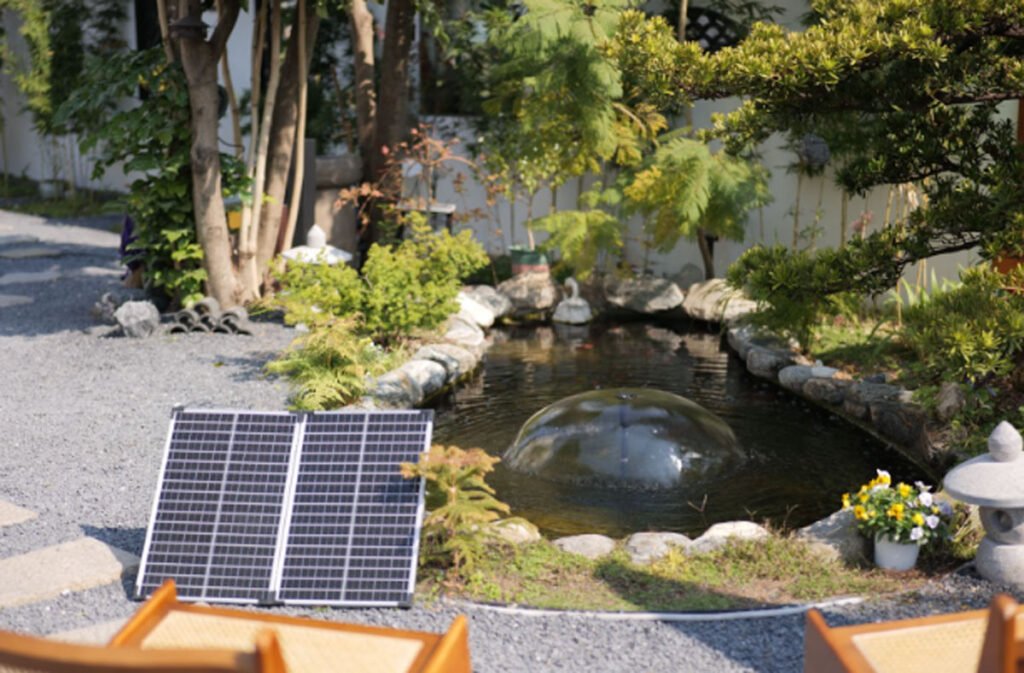
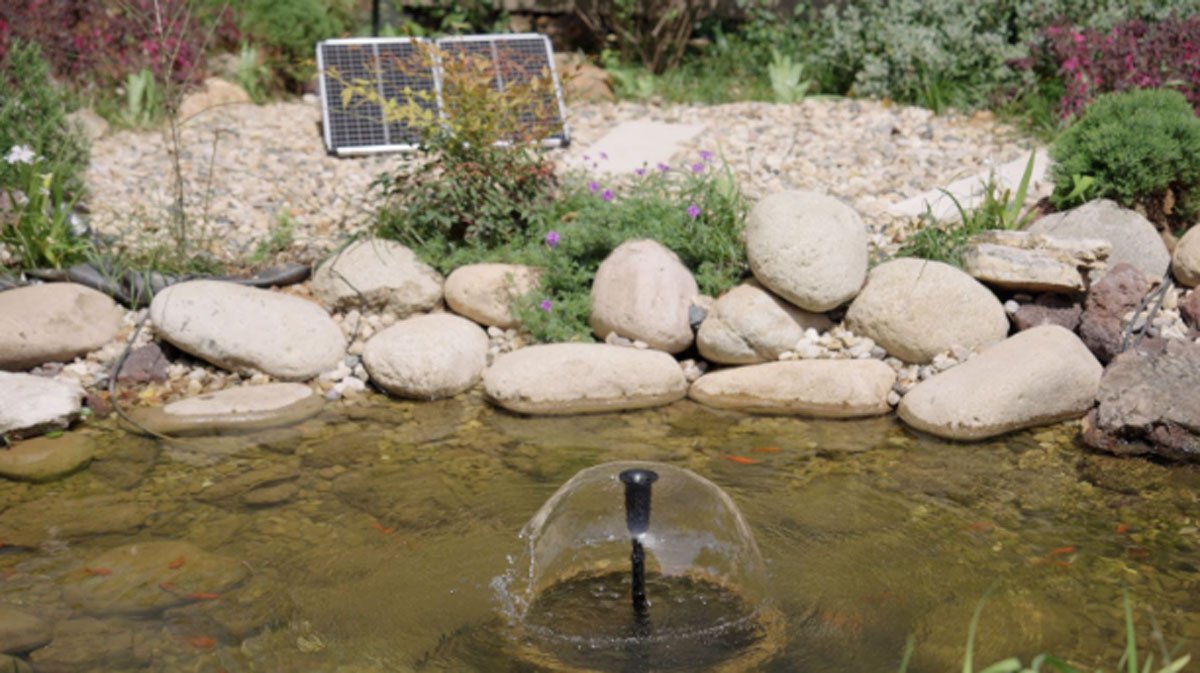
A solar water fountain pump is honestly simpler than most people expect. It’s a small pump that runs on sunlight, using a built-in panel to pull energy straight from the sun. When light hits the panel, the pump kicks on and pushes water upward, creating movement. No switches, no hidden tricks. You’ll usually see them in bird baths, shallow ponds, or even wide garden bowls where still water feels a bit boring. I’ve seen people drop one into an old ceramic pot and suddenly it looks intentional. The best part is there’s no wiring to deal with and barely any upkeep beyond a quick clean now and then.
Understanding Pond Waterfall Kits
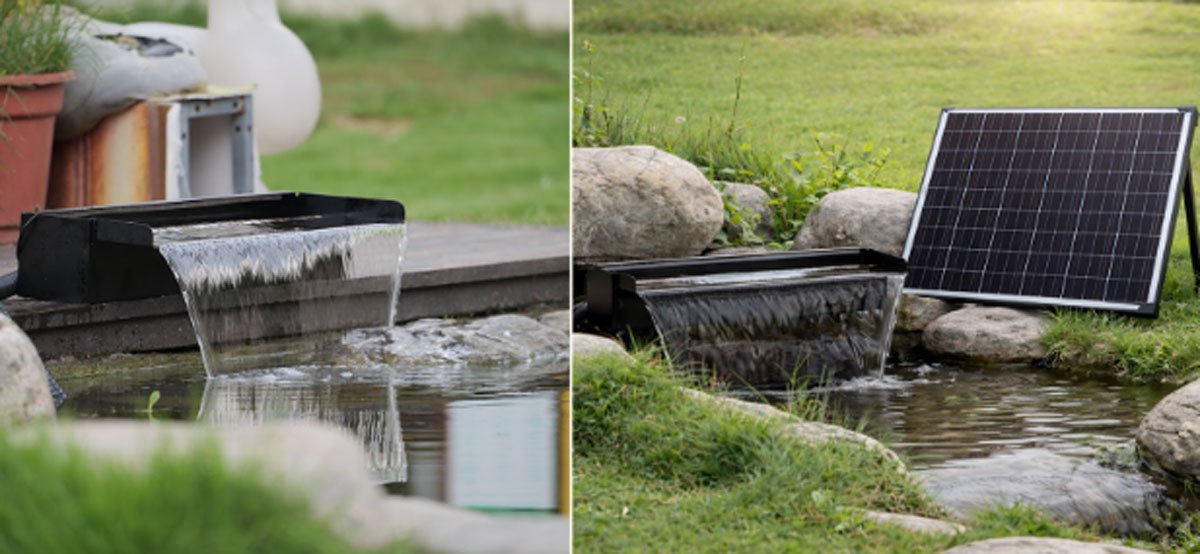
- A pond waterfall kit is basically a ready-made setup that helps you create a flowing waterfall without guessing every part. Most kits come with a spillway to shape the water flow, tubing to move water smoothly, and proper support so everything stays in place once installed.
- The big difference between a DIY waterfall and a ready kit is planning. DIY setups can work, but they usually take more time, more trial, and a bit of frustration.
- From an appearance point of view, waterfalls add depth and movement. Even a small pond feels bigger and more alive.
How a Pond Waterfall Changes the Entire Pond Experience
Honestly, adding a pond waterfall kit completely changes how a pond feels. It adds movement that catches your eye and makes the space feel alive, not just a still body of water. The visual depth it creates gives even tiny ponds a sense of scale, like they’re bigger than they really are. I’ve noticed that once it’s running, you start paying attention to your pond in a different way it becomes a little feature you look forward to seeing every day. It’s subtle, but it makes a world of difference in vibe.
Solar vs Electric: Which One Makes Sense Long-Term?
When it comes to choosing between solar and electric pumps, it really depends on what you’re after. Electric ones give strong flow no matter what, but they cost more to run and require wiring, which can be a pain if your pond isn’t close to an outlet. Solar pumps aren’t perfect they slow down on cloudy days and need good sunlight but they’re way easier to set up, don’t eat electricity, and feel low-maintenance. Honestly, for small to medium ponds, solar just makes sense most of the time. You get movement, birds hanging around, and a calmer vibe without worrying about bills or hiding cords everywhere. It’s practical, even if it’s not flashy.
Common Mistakes Buyers Make With Solar Fountain Pumps
I’ve seen a lot of people get excited, buy a pump, and then feel disappointed for simple reasons. One common mistake is picking a pump that’s too weak for the pond depth, so the water barely moves. Sunlight placement is another big one. If the panel sits in shade most of the day, performance drops fast. Some folks also expect a strong spray even when clouds roll in, which isn’t really how solar works. And honestly, many forget to clean the panel at all. A dusty surface can mess things up more than you’d think. Small checks make a big difference here.
How to Choose the Right Setup for Your Space
Picking the right setup really comes down to knowing your space. If you’ve got a tiny garden, a small fountain pump is usually enough, and you don’t need a giant waterfall kit taking over. For bigger ponds, you’ll want something that can actually move water across the whole area without looking weak. Sunlight matters more than most people think if your spot is shady half the day, don’t expect the solar pump to perform like it’s noon all the time. Also, think about flow rate. Some pumps look impressive in photos but are underwhelming in reality. And honestly, mixing a fountain pump with a pond waterfall kit can give you the best of both worlds you get gentle movement and the charm of a waterfall without overcomplicating things. A little planning goes a long way.
Final Thoughts
At the end of the day, adding a solar fountain or a pond waterfall kit is more about how it makes you feel than anything else. There’s a calm that comes with moving water, a little piece of nature in your own backyard, and it’s surprisingly low-effort once it’s set up. It’s sustainable, quiet, and doesn’t demand constant attention, which is kind of rare for something that looks this nice. Honestly, even a small setup can make a space feel alive and inviting. Once it’s running, you’ll catch yourself just standing there, watching and listening, and realizing it was totally worth the time.