Introduction
Over the past decade, a single word has fundamentally changed how millions of people talk about social media. This word didn’t emerge from a Silicon Valley boardroom or a marketing department’s strategic planning session. Instead, it bubbled up from the everyday language of internet users worldwide. That word is Fesbuka.
You’ve probably encountered it scrolling through your feed or in conversations with friends. But what does it actually mean? Is it a joke? A typo? A new app? The truth is far more interesting than any of these guesses.
This article unravels the mystery of Fesbuka—exploring how it transformed from a simple pronunciation quirk into a global internet phenomenon. More importantly, we’ll examine what it reveals about our relationship with technology, our generational divides, and our collective hunger for authentic human connection in an increasingly algorithmic world.
Understanding Fesbuka: More Than Just a Funny Name
Fesbuka exists in two parallel universes.
In one universe, it’s internet slang—a playful, sometimes sarcastic way of referring to Facebook and the distinctive behaviors that happen there. Think endless inspirational quotes with Comic Sans fonts. Think birthday posts where someone tags forty-seven friends. Think heated political arguments in comment sections that somehow involve your distant cousin’s opinions on topics they clearly don’t understand.
In the other universe, Fesbuka is an actual social media platform. It’s a response to the exhaustion many users feel with algorithm-driven feeds, invasive advertising, and the constant pressure to perform for virtual audiences. This version prioritizes genuine connection over viral moments, privacy over data harvesting, and meaningful dialogue over engagement metrics.
The remarkable thing? Both definitions are correct. Both are actively used. Both matter.
Why does this distinction matter? Because understanding Fesbuka means understanding a fundamental shift in how we perceive technology. For decades, we accepted that social media platforms would be run by algorithms we couldn’t see, advertising would be inescapable, and our data would be the product being sold. Fesbuka—in both its forms—represents a rejection of that bargain.
The slang version lets us laugh at the absurdities we’ve normalized. The platform version offers an alternative. Together, they tell a story about digital culture’s evolution.
When someone uses the term Fesbuka, they’re usually acknowledging something true: that Facebook has become a specific kind of digital space with its own rules, its own culture, and its own peculiar behaviors. It’s not just a platform anymore. It’s a phenomenon. It’s a mirror reflecting back our own online habits, our generational differences, and our complicated relationship with technology itself.
The Origins: From Linguistic Quirk to Global Phenomenon
Every great cultural phenomenon starts somewhere small.
The story of Fesbuka begins not in Silicon Valley, but in the mouths of non-English speakers around the world. In Eastern Europe, the Balkans, and Southeast Asia, people pronounced “Facebook” differently. The ‘f’ sound combined with local phonetic patterns created variations: Fejsbuk, Fesbuka, Fecebook. What started as simple linguistic adaptation became something far more significant.
The transformation accelerated in the early 2010s, particularly in Indonesia. With 40 million Facebook users spread across an archipelago of more than 17,000 islands, Indonesia became a crucial testing ground for how Facebook would reshape digital culture in emerging markets. Many Indonesians accessed Facebook primarily through mobile phones on limited data plans. For them, Facebook wasn’t just one internet service among many—it essentially was the internet.
Local users began calling it “Fesbuk” (the Indonesian spelling), and the term carried a specific cultural weight. It represented not just a platform, but a lifeline to connection across vast geographic distances. It meant something different there than it would come to mean elsewhere.
But the real explosion came through meme culture.
By the mid-2010s, internet communities worldwide began collecting and sharing screenshots of the most absurd Facebook moments. Meme pages dedicated entirely to “classic Fesbuka moments” accumulated hundreds of thousands of followers. These pages documented the platform’s peculiarities: the minion memes shared by older relatives, the vague-posting that left everyone confused, the arguments that spiraled into personal attacks over minor disagreements.
What made these memes resonate wasn’t cruelty. It was recognition. People saw their own feeds reflected back at them. They recognized their relatives, their coworkers, their own past selves in these screenshots.
The term spread from Eastern Europe through Latin America, from Southeast Asia through Africa. Each region adapted it slightly, gave it local flavor, but the core meaning remained consistent: Fesbuka represented a specific way of using Facebook that felt simultaneously familiar and ridiculous.
The generational component proved crucial to Fesbuka’s global spread.
Younger users, particularly millennials and Gen Z, found themselves in an odd position. They’d grown up with Facebook but had largely migrated to Instagram, TikTok, and other platforms. Yet they still maintained Facebook accounts—usually because family members insisted on it, or because certain groups and events still happened there.
This created the perfect conditions for ironic distance. They could mock Facebook while still using it. They could call it Fesbuka while still checking it daily. This contradiction wasn’t hypocritical; it was honest. It reflected the genuine ambivalence many people felt about the platform that had defined their teenage years but no longer matched their preferences.
By 2020, Fesbuka had transcended its origins as internet slang. It had become a genuine cultural marker—a shorthand for understanding not just Facebook, but the entire landscape of social media, generational difference, and our complicated relationship with technology.
The Dual Nature of Fesbuka: Slang vs. Platform
This is where things get interesting—and potentially confusing.
When you search for Fesbuka online, you’ll find two very different things. Some articles describe it as internet slang—a humorous term for Facebook and the behaviors associated with it. Other articles describe it as an actual social media platform with real features, real users, and real alternatives to mainstream social networks.
Both descriptions are accurate. But they refer to different phenomena.
The Slang Version: A Cultural Commentary
Fesbuka as slang is primarily a form of social commentary. When someone says “That’s so Fesbuka,” they’re usually referring to one of several recognizable patterns: oversharing without context, emotional intensity, argument spirals, recycled content, or tagging chaos.
These behaviors aren’t unique to Facebook—they happen on all social media platforms. But they’ve become so associated with Facebook that the term Fesbuka has become shorthand for this specific constellation of online behaviors.
| Fesbuka Slang Characteristic | What It Describes | Why It’s Funny |
|---|---|---|
| Oversharing | Posting without context or follow-up | The mystery and speculation it creates |
| Emotional intensity | Treating minor issues as major drama | The disconnect between problem and reaction |
| Argument spirals | Minor disagreements becoming heated debates | The absurdity of the escalation |
| Recycled content | The same posts circulating repeatedly | The predictability and inevitability |
| Tagging chaos | Indiscriminate tagging of friends | The loss of control over one’s own image |
The Platform Version: A Genuine Alternative
Simultaneously, Fesbuka has emerged as an actual social media platform designed as an alternative to Facebook, Instagram, and other mainstream networks. This version prioritizes principles that many users feel are missing from existing platforms.
The platform emphasizes authentic interaction over viral moments. Its algorithm doesn’t reward posts based on how many likes or shares they receive. Instead, it prioritizes content from people you actually interact with regularly. This creates a fundamentally different experience—less about performance, more about connection.
Privacy sits at the center of Fesbuka’s design philosophy. The platform uses end-to-end encryption for communications, gives users granular control over who can see their content, and explicitly doesn’t sell user data to advertisers. For privacy-conscious users tired of feeling surveilled, this represents a genuine alternative.
| Fesbuka Platform Feature | How It Works | Why It Matters |
|---|---|---|
| Interest Groups | Users connect based on shared passions | Creates genuine communities, not just networks |
| Privacy Controls | Users decide exactly who sees their content | Restores agency over personal information |
| Relevance Algorithm | Prioritizes connections over popularity | Reduces pressure to perform for strangers |
| Minimal Ads | Limited advertising, highly targeted | Creates less cluttered, more focused experience |
| Collaboration Tools | Real-time project sharing and co-creation | Enables genuine cooperation, not just socializing |
Why Fesbuka Resonates Globally: The Cultural Impact
Fesbuka isn’t just an English-language phenomenon.
The term has taken root across radically different cultures, each adapting it to local contexts while maintaining its core meaning. Understanding Fesbuka’s global spread requires looking beyond the internet to the real-world conditions that made it necessary.
The Generational Dimension: The Real Story
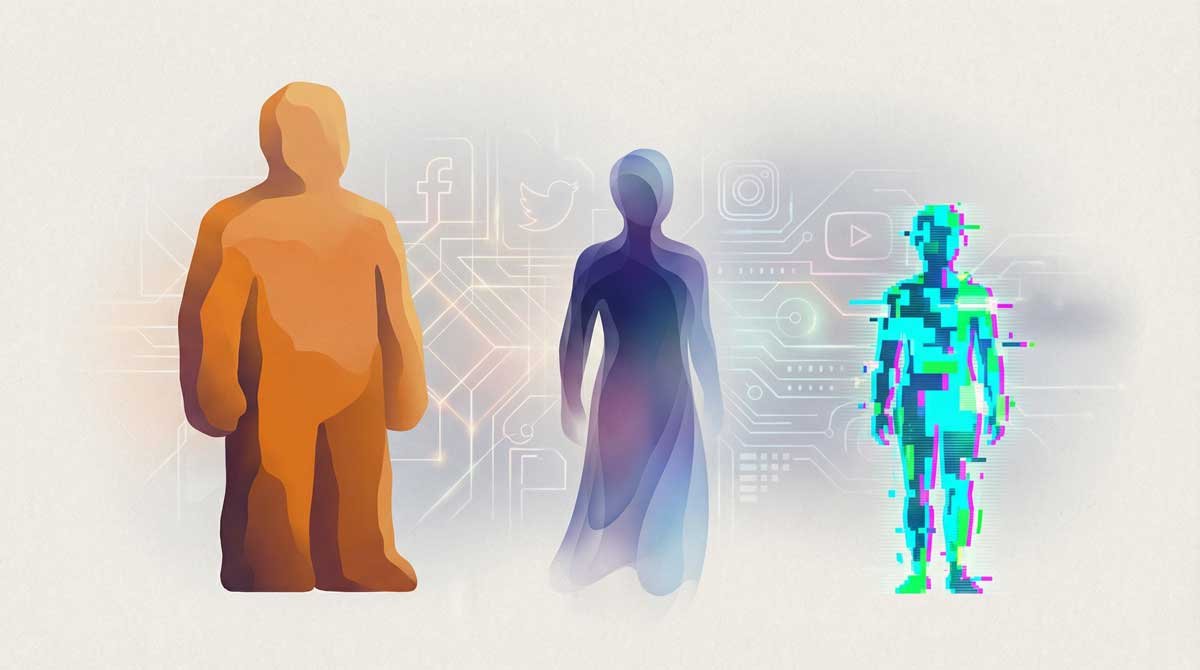
But the most important dimension of Fesbuka’s global resonance isn’t geographic—it’s generational. Across all regions and cultures, Fesbuka represents something specific about how different age groups experience technology.
Baby Boomers (Born 1946-1964): The Earnest Users
For many Baby Boomers, Facebook represents a genuine breakthrough in communication technology. It allows them to maintain connections with friends and family members they might otherwise lose touch with. It enables them to share photos of grandchildren with relatives across the country or around the world.
Millennials (Born 1981-1996): The Conflicted Generation
Millennials have the most complicated relationship with Fesbuka. They were the first generation to adopt Facebook en masse while it was still a relatively new platform. But millennials also experienced Facebook’s transformation—watching as the platform became increasingly commercialized and algorithmic.
Generation Z (Born 1997-2012): The Skeptical Natives
Generation Z has never known a world without social media, but they’re also deeply skeptical of it. They grew up watching older generations overshare on Facebook. For Gen Z, Facebook often feels like their parents’ platform.
| Generation | Birth Years | Relationship to Facebook | Role in Fesbuka Culture |
|---|---|---|---|
| Baby Boomers | 1946-1964 | Earnest users; genuine value for connection | Unintentional subjects of humor; represent “authentic” Facebook use |
| Generation X | 1965-1980 | Pragmatic users; useful tool without deep investment | Translators between generations; less frequently mocked |
| Millennials | 1981-1996 | Conflicted users; ironic distance from platform | Primary creators of Fesbuka jokes; embody the contradiction |
| Generation Z | 1997-2012 | Skeptical users; maintain accounts out of obligation | Documenters and sharers of Fesbuka content; observers rather than subjects |
Fesbuka as a Response to Algorithm Fatigue
Something shifted in how people felt about social media around 2016-2017.
It wasn’t a single event or announcement. Rather, it was a gradual accumulation of frustrations. Users began noticing that their feeds weren’t showing them content from their friends—they were showing them content designed to maximize engagement. They realized that platforms were actively manipulating what they saw, not to serve them, but to serve advertisers.
This is what we might call “algorithm fatigue”—the exhaustion that comes from realizing that the platforms you use daily are fundamentally designed to manipulate your attention and exploit your data.
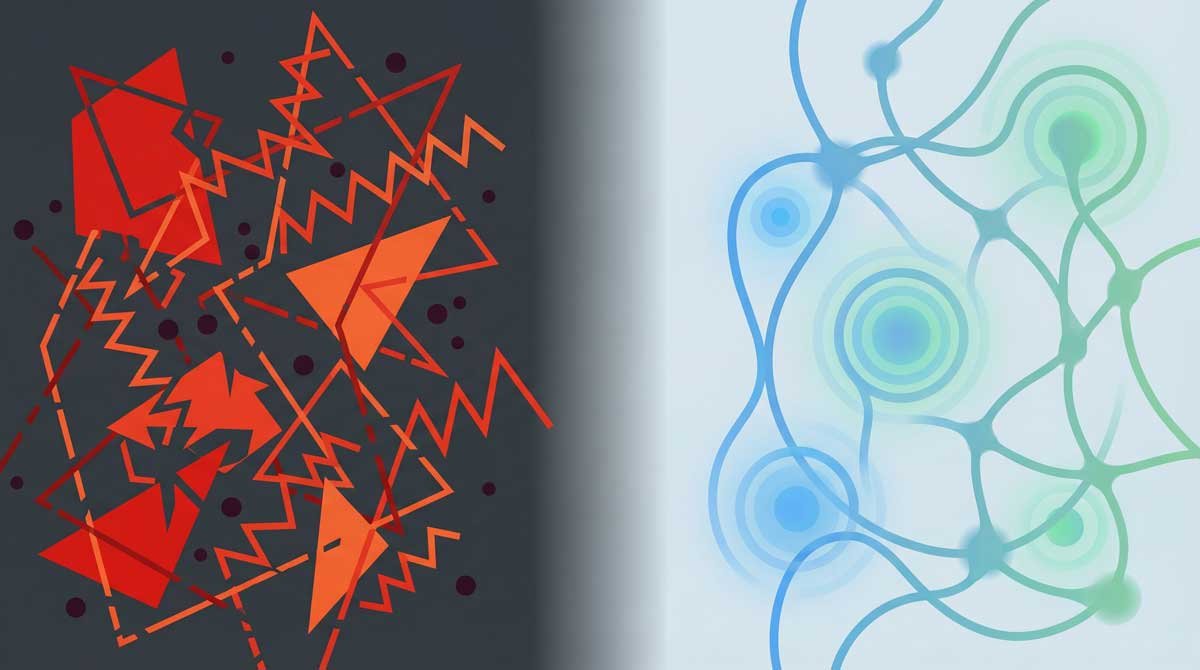
Fesbuka emerged as a response to this fatigue.
The slang version gave people a way to laugh about it, to acknowledge the absurdity without having to abandon the platforms they depended on. The platform version offered an actual alternative—a way to experience social media without the algorithmic manipulation and data exploitation.
Fesbuka’s Alternative Approach
The Fesbuka platform takes a fundamentally different approach. Its algorithm prioritizes relevance over engagement. It shows you content from people you actually interact with regularly, not content designed to maximize clicks.
This creates a radically different experience. Your feed becomes smaller but more meaningful. You see fewer posts, but the posts you see are more likely to be from people you actually care about. You’re less likely to encounter sensational misinformation or outrage-inducing content designed to manipulate your emotions.
The Generational Divide: How Different Ages Experience Fesbuka
The most revealing aspect of Fesbuka culture is what it tells us about generational identity.
Every generation has its own relationship with technology, shaped by when they encountered it and what alternatives were available to them. Fesbuka provides a window into these generational differences—not just in how people use technology, but in how they understand it and what it means to them.
Understanding Fesbuka requires understanding that it’s not just about Facebook. It’s about generational identity, technological change, and our collective attempt to make sense of how digital technology is reshaping human connection.
| Aspect | Baby Boomers | Millennials | Generation Z |
|---|---|---|---|
| Primary Use | Genuine connection and family updates | Obligation mixed with ironic distance | Minimal use, primarily obligation |
| Emotional Investment | High; sees genuine value | Medium; conflicted about platform | Low; sees it as outdated |
| Relationship to Privacy | Less concerned; willing to share | Increasingly aware of privacy issues | Highly aware; protective of data |
| Role in Fesbuka Culture | Unintentional subjects of humor | Primary creators of Fesbuka jokes | Observers and sharers of content |
Frequently Asked Questions
- 1. What exactly is Fesbuka, and is it different from Facebook?
- Fesbuka exists in two forms. As internet slang, it’s a playful term describing Facebook and the distinctive behaviors associated with it—oversharing, emotional intensity, argument spirals, and recycled content. As a platform, Fesbuka is an actual social media service designed as an alternative to mainstream networks, prioritizing privacy, authentic connection, and user control over algorithmic manipulation. Both meanings are actively used and culturally significant, though they refer to different phenomena.
- 2. Why did the term “Fesbuka” become so popular globally?
- The term emerged from phonetic variations of “Facebook” among non-English speakers, particularly in Southeast Asia and Eastern Europe. Its global spread accelerated through meme culture, which documented the platform’s peculiarities and absurdities. The generational component proved crucial—younger users found it a way to acknowledge their ambivalent relationship with Facebook: they mocked it while still using it. This contradiction resonated across cultures and generations, making Fesbuka a universal shorthand for understanding social media’s contradictions.
- 3. Is Fesbuka a safe platform for sharing personal information?
- If you’re referring to the Fesbuka platform (not the slang), yes—it prioritizes privacy and security. The platform uses end-to-end encryption for communications, gives users granular control over who can see their content, and explicitly doesn’t sell user data to advertisers. However, like any online platform, users should still exercise caution about what personal information they share. The key difference from Facebook is that Fesbuka’s design philosophy puts user privacy first, rather than treating it as an obstacle to overcome.
- 4. How does Fesbuka’s algorithm differ from traditional social media?
- Traditional platforms like Facebook prioritize engagement—showing you content designed to maximize clicks, comments, and shares, regardless of whether it serves your interests. This often means sensational or outrage-inducing content gets amplified. Fesbuka’s algorithm works differently: it prioritizes relevance, showing you content from people you actually interact with regularly. This creates a smaller but more meaningful feed. The platform also minimizes advertising and doesn’t use your data to build detailed profiles for advertisers, fundamentally changing how the algorithm operates.
- 5. Who should consider using Fesbuka in 2025?
- Fesbuka appeals to several user types: privacy-conscious individuals tired of data harvesting; people seeking authentic connection over performance and vanity metrics; small business owners wanting to build genuine community rather than chase algorithmic visibility; creative professionals needing collaboration tools; and users frustrated with algorithmic manipulation and misinformation amplification. If you value privacy, authentic connection, and control over your digital experience, Fesbuka might be worth exploring.
- 6. Can businesses benefit from Fesbuka?
- Yes, but differently than on mainstream platforms. Fesbuka is particularly valuable for local businesses, creative communities, and brands that prioritize authentic connection over reach. A local bakery might build genuine relationships in local interest groups. A freelance designer might find collaboration partners and clients through creative communities. Small businesses often find that Fesbuka’s highly targeted advertising generates better engagement than Facebook’s broader but less relevant approach.
- 7. What are the main differences between Fesbuka and Instagram or Twitter?
- Instagram prioritizes visual content and influencer culture, with an algorithm designed to surface aesthetically appealing or popular content. Twitter emphasizes real-time conversation and trending topics, often creating spaces for public debate and misinformation spread. Fesbuka (the platform) prioritizes intimate communities and authentic connection, with an algorithm that surfaces content from people you actually interact with. Unlike Instagram’s focus on image curation or Twitter’s focus on public discourse, Fesbuka emphasizes private or semi-private communities where meaningful dialogue can happen.
Conclusion: Understanding Fesbuka as a Mirror of Our Digital Age
Fesbuka tells us something important about where we are in digital culture’s evolution.
It started as a simple linguistic quirk—non-English speakers pronouncing “Facebook” in ways that reflected their local languages. It became a meme, a joke, a way of laughing at the absurdities we’ve normalized in our relationship with social media. And now it’s becoming something more: a genuine alternative to mainstream platforms, a real attempt to imagine social media differently.
But beyond the slang and the platform, Fesbuka represents something deeper. It’s a cultural mirror reflecting our complicated relationship with technology. It shows us the gap between what technology promises and what it actually delivers. It reveals the generational divides in how we experience and understand digital tools. It expresses our collective frustration with algorithmic manipulation, data harvesting, and the pressure to perform online.
The generational dimension is perhaps the most revealing aspect of Fesbuka culture. Baby Boomers use Facebook earnestly, finding genuine value in connection and community. Millennials use it with ironic distance, mocking the platform while still checking it daily. Generation Z treats it as a legacy system they tolerate out of obligation. These aren’t just different preferences—they’re different experiences of the same technology, shaped by when people encountered it and what alternatives were available.
Whether Fesbuka the platform ultimately succeeds or fails, it represents a genuine attempt to imagine social media differently. It shows that social media doesn’t have to be built on algorithmic manipulation and data harvesting. It shows that platforms can prioritize user interests over advertiser interests. It shows that privacy can be a core feature rather than an obstacle to overcome.
In the end, Fesbuka is about choice. The choice to use Facebook earnestly or ironically. The choice to seek alternatives to mainstream platforms. The choice to prioritize privacy over convenience. The choice to value authentic connection over performance and vanity metrics. The choice to imagine technology differently.