Choosing the right water heater for your home is an important decision that affects your comfort, energy bills, and long-term maintenance costs. When homeowners begin comparing options, the conversation almost always comes down to tank vs. tankless water heaters. Both systems provide hot water, but they work very differently and suit different household needs.
Understanding how each option works, along with their advantages and drawbacks, can help you make a confident and informed choice. When you also consider your household’s daily hot water demand, energy efficiency goals, available space, and budget, the decision becomes much clearer. Most importantly, proper water heater installation ensures optimal performance, safety, and long-term reliability, regardless of which system you choose.
Table of Contents
ToggleHow Tank Water Heaters Work
A traditional tank water heater stores a set amount of hot water—typically between 30 and 80 gallons—in an insulated tank. The unit continuously heats the water and keeps it ready for use. When you turn on a hot water faucet, water flows from the tank to your fixture while cold water refills the tank and begins heating again.
Pros of Tank Water Heaters
- Lower upfront cost: Tank water heaters are generally more affordable to purchase and install.
- Simple installation: Most homes are already set up for tank systems, making replacement easier.
- Reliable performance: With proper maintenance, tank heaters provide steady hot water for everyday use.
- Wide availability: Parts and technicians are easy to find.
Cons of Tank Water Heaters
- Limited hot water supply: Once the tank empties, you must wait for it to reheat.
- Higher energy usage: The unit constantly heats water, even when not in use.
- Shorter lifespan: Most tank water heaters last about 8–12 years.
- More space required: The tank can take up significant room in a utility area.
How Tankless Water Heaters Work
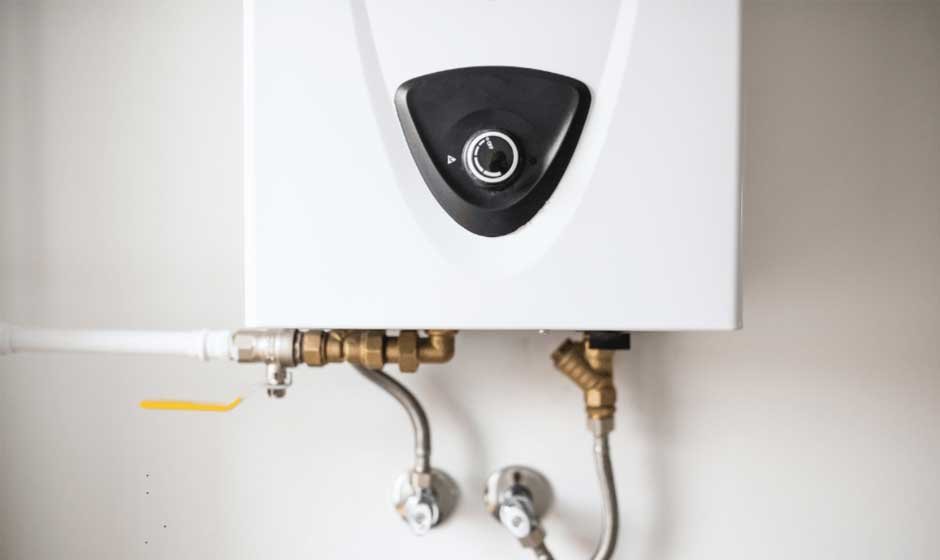
A tankless water heater, also known as an on-demand system, heats water only when you need it. Instead of storing hot water, the unit uses powerful heating elements or burners to warm water instantly as it flows through the system.
Because tankless systems don’t rely on stored water, they provide a continuous supply of hot water, making them appealing to larger households or homes with high hot water demand. In addition to their convenience, tankless water heaters are often more energy-efficient, which can lead to lower utility bills over time. Homeowners may also explore available incentives, such as the TVA Heat Pump Water Heater Promotion, to offset upfront costs while investing in a more sustainable water heating solution.
Pros of Tankless Water Heaters
- Endless hot water: No tank means no running out of hot water.
- Energy efficiency: Water is heated only when needed, reducing energy waste.
- Longer lifespan: Tankless units can last 15–20 years with proper care.
- Space-saving design: Compact units can be mounted on walls.
- Lower risk of leaks: No tank means less chance of water damage from failure.
Cons of Tankless Water Heaters
- Higher upfront cost: Tankless systems are more expensive to purchase and install.
- Installation upgrades: Some homes require electrical or gas line upgrades.
- Flow rate limitations: Using multiple hot water fixtures at once may reduce performance.
- Maintenance needs: Regular flushing is required, especially in areas with hard water.
Energy Efficiency and Operating Costs
One of the biggest differences between tank and tankless water heaters is energy efficiency. Tank systems use standby energy to keep water hot throughout the day, even when you’re not using it. Tankless systems eliminate this standby loss by heating water only on demand.
While tankless systems are typically more energy-efficient, the actual savings depend on your household’s water usage. Homes that use hot water sporadically may see greater energy savings, while high-demand households may experience more moderate reductions in utility bills. Utility costs also play a role in determining overall savings, since walton gas rates can affect how quickly a tankless system offsets its upfront investment. Evaluating your household’s hot water habits alongside local energy pricing can help you decide which system offers the best long-term value.
Which System Is Best for Your Home?
The “better” option ultimately depends on your home, budget, and lifestyle.
A tank water heater may be the better choice if:
- You want a lower upfront investment
- Your household has moderate hot water usage
- You prefer simple installation and maintenance
- Space is not a major concern
A tankless water heater may be ideal if:
- Your home uses hot water frequently or simultaneously
- You want long-term energy savings
- Space is limited
- You plan to stay in your home for many years
Maintenance and Longevity
Maintenance plays a crucial role in the lifespan of both systems. Tank water heaters require regular flushing to remove sediment buildup, which can reduce efficiency and damage the tank over time. Tankless systems also need descaling, especially in areas with hard water, but they typically experience fewer corrosion issues.
When properly maintained, tankless water heaters often outlast tank models by nearly a decade, making them a long-term investment rather than a short-term solution.
Making the Right Decision
There is no one-size-fits-all answer when comparing tank vs. tankless water heaters. Each option offers unique benefits and limitations. The best choice depends on your home’s size, hot water needs, energy goals, and budget.
Consulting a professional plumber can help assess your home’s plumbing system, energy supply, and daily usage patterns. A professional evaluation ensures that whichever system you choose is installed correctly and operates efficiently for years to come.
Final Thoughts
Both tank and tankless water heaters are reliable solutions for providing hot water. Tank systems remain popular due to affordability and simplicity, while tankless systems appeal to homeowners seeking efficiency and endless hot water. By understanding the differences and weighing your priorities, you can select a water heater that fits your home’s needs and delivers comfort without unnecessary expense.
If you’re considering upgrading or replacing your water heater, professional guidance can make all the difference in choosing the right system and ensuring long-term performance.