
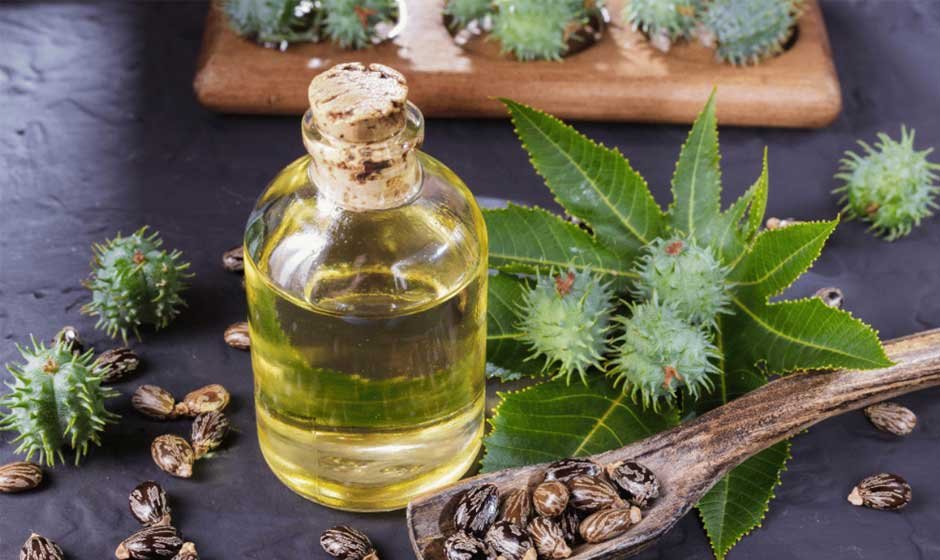
Castor oil has been treasured for centuries for its diverse uses in health, beauty, and industry. From promoting hair growth to soothing skin ailments and even supporting medicinal applications, its benefits are wide-ranging. However, the effectiveness of castor oil largely depends on its quality. The journey from farm to bottle is more than just a process—it’s a story of care, precision, and quality assurance.
Table of Contents
Toggle1. The Beginning: Cultivating Castor Beans
High-quality castor oil starts at the farm, with the careful cultivation of castor plants (Ricinus communis). Farmers select robust seeds suited to their local climate, ensuring optimal growth and yield. Soil quality, rainfall, and sunlight all play critical roles in producing healthy beans. Unlike mass-produced crops that prioritize quantity over quality, top castor oil producers focus on cultivating beans rich in ricinoleic acid—the compound responsible for most of castor oil’s benefits.
Sustainable and organic farming practices are increasingly becoming a standard, and The GoodBye Company emphasizes avoiding harmful pesticides and chemical fertilizers to ensure that the harvested beans are safe for medicinal and cosmetic uses.
2. Harvesting with Care
Harvesting castor beans is a meticulous task. The beans must be collected at the right stage of maturity. If harvested too early, they may yield less oil with weaker properties; too late, and the beans risk contamination or spoilage. Skilled workers manually pick or mechanically harvest the seeds, taking care to avoid damage that can affect the oil’s quality.
Post-harvest, the beans are cleaned and sorted. Removing dust, debris, and damaged seeds ensures that only the finest beans move forward in the production process.
3. Extracting the Oil: Precision Matters
Once the beans are prepared, the extraction process begins. There are several methods for extracting castor oil, but cold-pressing is considered the gold standard for maintaining purity and potency. This method involves mechanically pressing the beans without applying heat, which preserves the natural nutrients and therapeutic compounds in the oil.
Some producers may use solvent extraction to maximize yield, but this can compromise quality and introduce chemical residues. Professional castor oil companies prioritize cold-pressed methods to ensure a natural, chemical-free product.
4. Refining and Quality Testing
Even after extraction, raw castor oil undergoes further refinement. This includes filtering out impurities and stabilizing the oil for shelf life. Top companies perform rigorous quality testing at this stage, checking for acidity levels, color, odor, and viscosity.
Certified laboratories may also test for microbial contamination and chemical residues, ensuring that the castor oil meets international safety and quality standards. This attention to detail is why premium castor oil is trusted for use in cosmetics, pharmaceuticals, and even food-grade applications.
5. Packaging and Storage
The journey from farm to bottle isn’t complete until the oil is safely packaged. Quality castor oil is stored in dark, airtight containers to prevent oxidation and maintain its beneficial properties. Temperature control during storage and transportation further ensures that the oil retains its potency when it reaches the consumer.
Reputable castor oil selling companies also include batch numbers and production dates on their bottles, offering transparency and traceability. This allows customers to verify freshness and quality—an important factor in a product that can have medicinal applications.
6. The Role of Trusted Castor Oil Companies
Choosing the right castor oil supplier can make all the difference. Reputable companies invest in every step of the process—from farm partnerships to extraction technology and quality control. They prioritize sustainable sourcing, ethical labor practices, and consistent quality, ensuring that each bottle delivers the benefits customers expect.
When you purchase castor oil from a trusted company, you’re not just buying a product—you’re investing in a carefully curated process that safeguards both your health and satisfaction.
Conclusion
The journey of castor oil from farm to bottle is a testament to the meticulous care required to produce a high-quality, beneficial product. From cultivating nutrient-rich beans to careful extraction, testing, and packaging, every step ensures that the oil retains its natural goodness. For consumers, understanding this journey highlights why choosing reputable castor oil brands matters—not just for efficacy but for safety, purity, and peace of mind.
High-quality castor oil isn’t just an ingredient; it’s a story of craftsmanship, dedication, and natural wellness.