
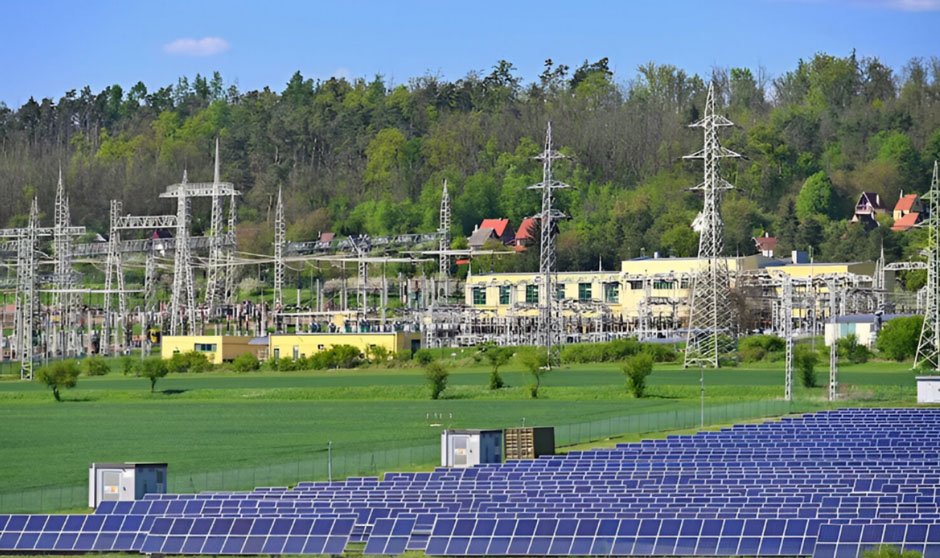
The global shift toward renewable energy is changing how electrical systems are designed, managed, and operated. Solar panels, wind turbines, and other renewable sources are no longer limited to experimental projects—they are becoming a core part of modern power infrastructure. As a result, electrical systems must evolve to support clean energy integration while maintaining stability, safety, and efficiency.
Renewable energy integration is not just about adding new power sources. It requires modern electrical grids that can manage variable energy inputs, balance demand, and ensure uninterrupted power supply. Organizations that prepare their electrical infrastructure for renewable integration position themselves for long-term sustainability and operational resilience.
Table of Contents
ToggleThe Rise of Renewable Energy in Modern Infrastructure
Renewable energy adoption has accelerated due to environmental concerns, rising energy costs, and global sustainability goals. Businesses and industries are increasingly investing in solar, wind, and hybrid energy systems to reduce reliance on traditional power sources.
Renewable energy offers several benefits:
- Reduced carbon emissions
- Lower long-term energy costs
- Energy independence
- Alignment with sustainability regulations
However, integrating renewable sources into existing electrical systems presents technical challenges that require professional solutions.
Why Electrical Systems Must Adapt for Renewable Integration
Traditional electrical grids were designed for one-way power flow—from centralized power plants to end users. Renewable energy systems introduce a different dynamic, where power can be generated at multiple points and fed back into the grid.
Modern electrical systems must be able to:
- Handle variable power generation
- Balance fluctuating loads
- Maintain voltage and frequency stability
- Ensure safe power distribution
Without proper adaptation, renewable integration can lead to instability and inefficiency.
Understanding the Challenges of Renewable Energy Integration
Renewable energy sources are naturally variable. Solar output changes with sunlight, and wind energy depends on weather conditions. These variations can impact power quality and system stability if not managed correctly.
Common challenges include:
- Voltage fluctuations
- Power intermittency
- Grid synchronization issues
- Load balancing difficulties
Addressing these challenges requires advanced electrical design and reliable system components.
Modern Electrical Grids and Smart Power Management
To support renewable energy, electrical grids must become smarter and more flexible. Modern grids use intelligent monitoring and control systems to manage power flow in real time.
Smart electrical grids enable:
- Real-time energy monitoring
- Automated load balancing
- Faster fault detection
- Improved system reliability
These capabilities allow grids to adapt quickly to changes in energy supply and demand.
One provider supporting modern electrical grid readiness is Eabel Electrical Solutions, which focuses on delivering electrical products designed to support evolving power system requirements.
Role of Power Distribution Systems in Renewable Integration
Power distribution systems play a critical role in renewable energy integration. They ensure that generated power is delivered safely and efficiently to where it is needed.
Modern distribution systems are designed to:
- Manage bidirectional power flow
- Protect equipment from overloads
- Maintain consistent power quality
- Support grid stability
Upgrading distribution infrastructure is often a key step in renewable energy projects.
Energy Storage and Its Impact on Grid Stability
Energy storage systems, such as batteries, are becoming increasingly important in renewable energy integration. Storage helps balance supply and demand by storing excess energy and releasing it when needed. Local energy pricing can influence how valuable storage solutions are, especially when considering hebbronville electricity rates. By storing power during lower-cost periods and using it during peak times, households and businesses can improve cost efficiency and grid reliability.
Benefits of energy storage include:
- Reduced power fluctuations
- Improved grid stability
- Enhanced energy reliability
- Better utilization of renewable sources
Electrical systems must be designed to integrate storage solutions safely and efficiently.
Safety and Compliance in Renewable Energy Systems
Safety remains a top priority when integrating renewable energy into electrical systems. New power sources introduce additional risks that must be managed through proper design and compliance.
Safety-focused renewable integration ensures:
- Protection of personnel and equipment
- Compliance with electrical standards
- Safe isolation and fault handling
- Long-term system reliability
Professional electrical solutions ensure that renewable systems meet safety and regulatory requirements.
Custom Electrical Solutions for Renewable Projects
Every renewable energy project has unique requirements based on location, energy source, and usage patterns. Customized electrical solutions ensure that systems are designed to meet specific operational needs.
Customized solutions provide:
- Better system compatibility
- Improved efficiency
- Enhanced safety
- Scalability for future expansion
Tailored electrical design ensures successful renewable integration without compromising performance.
The Role of Monitoring and Data in Renewable Systems
Data plays a crucial role in managing renewable energy systems. Monitoring tools track energy production, consumption, and system performance in real time.
Data-driven electrical systems allow organizations to:
- Optimize energy usage
- Detect performance issues early
- Improve maintenance planning
- Enhance decision-making
Accurate data improves both efficiency and reliability in renewable energy systems.
Preparing Electrical Infrastructure for a Renewable Future
As renewable adoption continues to grow, electrical infrastructure must be future-ready. This means designing systems that can support new technologies and increasing renewable capacity.
Future-ready electrical infrastructure focuses on:
- System flexibility
- Scalability
- Smart control integration
- Long-term sustainability
Organizations that plan ahead avoid costly upgrades and operational disruptions.
Professional Expertise in Renewable Energy Integration
Integrating renewable energy into electrical systems requires specialized expertise. Professional electrical solution providers understand the complexities of modern grids and renewable technologies.
A company like eabel.com focuses on providing modern electrical products that support renewable integration, grid stability, and long-term system performance. Professional expertise ensures reliable and compliant solutions.
Long-Term Benefits of Renewable-Ready Electrical Systems
Electrical systems designed for renewable integration deliver long-term benefits beyond sustainability. They improve energy resilience, reduce operational costs, and enhance system reliability.
Organizations that invest in renewable-ready systems benefit from:
- Lower energy expenses
- Improved operational stability
- Enhanced environmental responsibility
- Better future adaptability
For organizations seeking modern and renewable-ready electrical solutions, Eabel Electrical Solutions continues to support sustainable infrastructure through reliable and forward-looking electrical solutions.
Conclusion
Renewable energy integration is shaping the future of electrical infrastructure. As clean energy sources become more common, electrical systems must evolve to manage new challenges while maintaining reliability and safety. Modern grids, smart power management, and professional electrical solutions are essential for successful integration.
By investing in renewable-ready electrical systems, organizations build a strong foundation for sustainability, efficiency, and long-term success in an evolving energy landscape.