
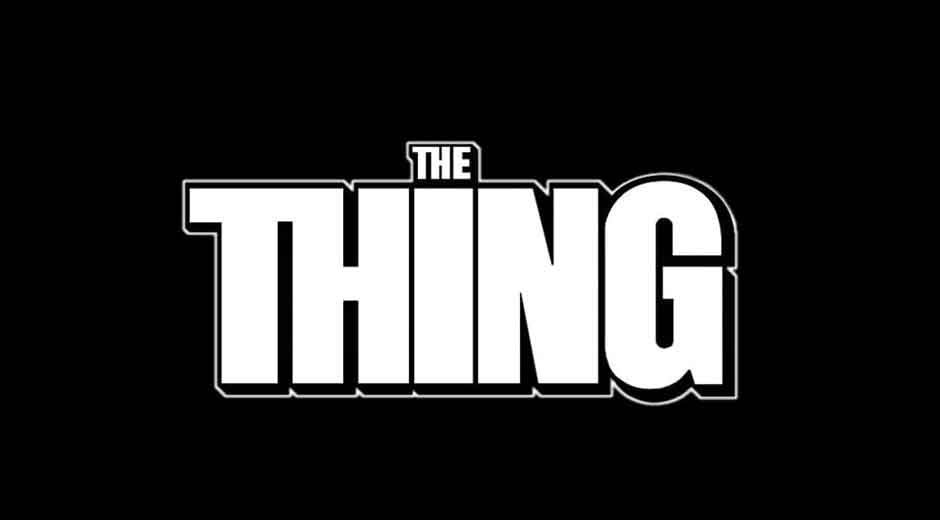
Movie fonts create unforgettable cinematic moments that stay with audiences. These carefully chosen movie fonts establish tone and atmosphere instantly. TypeType examines how fonts transform film experiences completely.
Table of Contents
ToggleThe Power of Typography in Film
Cinematic typography communicates beyond mere words. Movie fonts become characters themselves in storytelling. They establish era and genre immediately.
Historical Evolution of Movie Fonts
Early cinema used simple title cards predominantly. Silent film era movie fonts were often hand-lettered beautifully. The transition to sound changed fonts dramatically.
Key Periods in Fonts Development
- Silent era hand-painted fonts
- 1930s Art Deco influence on cinema
- 1950s technicolor and bold typography
- 1960s psychedelic fonts revolution
- Digital era computer-generated titles
Iconic Movie Fonts Case Studies
Certain fonts achieve legendary status immediately. They become inseparable from the films themselves. These fonts transcend their original purposes.
Memorable Film Typography Examples
- Star Wars crawling text sequence
- James Bond gun barrel opening
- Pulp Fiction bright yellow titles
- Harry Potter magical lettering style
- The Godfather elegant script treatment
Psychology Behind Movie Fonts Selection
Font choices trigger specific emotional responses consciously. Horror movie fonts create tension and unease effectively. Romantic comedies use softer typography approaches.
Genre-Specific Font Characteristics
- Thrillers: Sharp, angular fonts
- Romance: Flowing cursive scripts
- Sci-fi: Geometric, futuristic typefaces
- Period dramas: Historically accurate fonts
- Comedies: Playful, irregular letterforms
Technical Aspects of Movie Fonts Creation
Designing movie fonts requires specialized technical knowledge. Resolution and scalability concerns are paramount. TypeType understands these complex requirements thoroughly.
Production Considerations
- Screen readability at various sizes
- Animation compatibility and flexibility
- Color and lighting effect testing
- International character set requirements
- File format and compatibility issues
Famous Fonts Designers
Several designers specialize in cinematic typography exclusively. Their work defines entire film genres visually. These artists understand movie fonts profoundly.
Influential Title Designers
- Saul Bass: Psycho, Vertigo designs
- Kyle Cooper: Se7en, Spider-Man titles
- Pablo Ferro: Dr. Strangelove work
- Dan Perri: Star Wars, Taxi Driver
- Deborah Ross: Various Disney films
Modern Movie Fonts Trends
Contemporary cinema embraces diverse typographic styles. Minimalist fonts gain popularity currently. Animated typography continues evolving rapidly.
Current Industry Directions
- Minimalist title sequences
- Integrated story elements in credits
- Custom handwritten fonts
- Retro and vintage revivals
- Interactive title experiences
Movie Fonts in Marketing Materials
Typography extends beyond the film itself significantly. Poster designs rely heavily on effective movie fonts. These elements create cohesive branding campaigns.
Marketing Applications
- Movie poster typography design
- Trailer text and subtitle styling
- Merchandise and promotional materials
- Digital and social media assets
- Television commercial adaptations
Legal Considerations for Movie Fonts
Font licensing remains crucial for production companies. Using commercial fonts requires proper licensing. Many studios commission custom typefaces instead.
Legal and Licensing Issues
- Commercial font licensing agreements
- Custom font development costs
- Trademark and copyright protection
- International distribution rights
- Digital streaming platform requirements
Creating Custom Movie Fonts
Many major films commission completely original typography. This ensures unique visual identity absolutely. TypeType specializes in such custom projects.
Custom Development Process
- Script analysis and mood boarding
- Character set and language planning
- Multiple concept development stages
- Director and producer feedback cycles
- Technical implementation and testing
Future of Movie Fonts Technology
Emerging technologies will transform cinematic typography completely. Virtual reality introduces new dimensional considerations. Artificial intelligence assists font creation processes.
Technological Advancements
- 3D and holographic type treatments
- Interactive and responsive typography
- AI-generated custom font creation
- Augmented reality integrations
- Real-time rendering capabilities
Movie Fonts in Global Cinema
Different cultures approach film typography distinctively. Bollywood movie fonts feature vibrant colors typically. Japanese cinema embraces calligraphic traditions beautifully.
International Perspectives
- Bollywood’s decorative typography style
- European art house minimalism
- Asian calligraphic influences
- Middle Eastern geometric patterns
- Latin American vibrant color use
Educational Resources for Movie Fonts
Aspiring designers can study cinematic typography systematically. Numerous books and courses exist currently. TypeType offers specialized workshops regularly.
Learning Opportunities
- Film title design history courses
- Typography and motion graphics classes
- Software and technical training
- Industry mentorship programs
- Film festival and conference attendance
These fonts remain essential cinematic storytelling elements. They establish mood and character instantly. TypeType continues exploring typography’s film potential endlessly. The future of movie fonts promises exciting innovations certainly.