Rapid urbanisation and the push for smarter, more livable cities have steadily driven demand for intelligent transportation management solutions. Traditional approaches, such as fixed-timer or manually overridden traffic signals, as well as human-monitored CCTV systems, can no longer keep up with today’s complex mobility needs. As such, cities are turning to advanced solutions powered by artificial intelligence (AI) and automation to analyse traffic patterns and improve road safety. These technologies are reshaping urban traffic management, making daily commuting safer and more reliable for everyone.
In addition, these systems provide the data needed for smarter urban planning. Real-time insights into vehicle and pedestrian movement help planners optimise road networks, anticipate congestion, and implement targeted infrastructure improvements. By supporting proactive, evidence-based decision-making, transportation management systems are becoming a cornerstone of data-driven urban development. In this article, we will explore why these technologies are essential for building smarter, more efficient cities.
Table of Contents
Toggle1. AI-Driven Traffic Management Systems Improve Travel Times
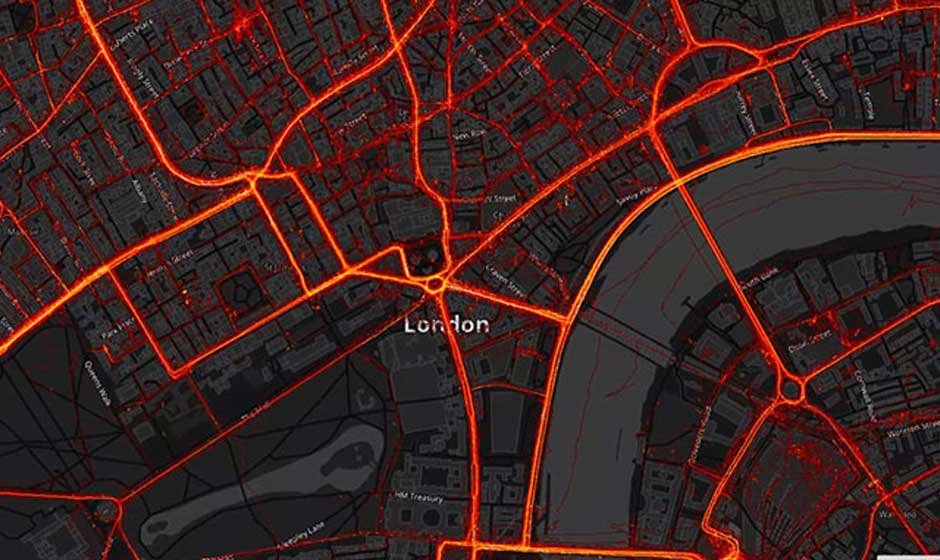
Modern traffic management platforms integrate multiple transport systems and data sources into a centralised hub, where AI analyses real-time traffic flows, vehicle counts, and congestion patterns. This allows authorities to make faster, more informed decisions to reduce bottlenecks and keep traffic moving smoothly during peak hours.
The insights collected by these platforms go beyond improving daily commuting; they also inform urban planning. Professionals can use this data to optimise road layouts and to design public transport routes that better reflect how people actually move around the city. Over time, this leads to a more efficient and responsive urban mobility network.
2.Machine Learning Enables Proactive Traffic Management
In transport management systems, machine learning leverages historical and real-time traffic data to anticipate congestion, and to predict the effects of accidents and other disruptions even before they occur. Authorities can then take proactive measures, such as adjusting signal timings or rerouting vehicles, to prevent minor issues from escalating into major traffic jams.
These predictive insights are also valuable for long-term urban planning. Identifying trends and anticipating potential challenges enable city planners to make smarter decisions about infrastructure investments and policy interventions. This forward-looking approach allows cities to be more adaptive, reducing congestion across the transport network.
3.Coordinated Intersection Control Enhances Safety and Efficiency
AI-powered intersection management allows all traffic controllers in a city to be coordinated and monitored from a central system. It supports adaptive features such as emergency vehicle priority and signal adjustments based on real-time traffic demand. For example, if an ambulance approaches a busy intersection during rush hour, the system can automatically adjust signals to clear a path, allowing the vehicle to pass safely and quickly. This coordination helps keep traffic flowing smoothly while reducing the risk of accidents.
At the same time, the operational data generated by these systems can be used by urban planners to analyse high-demand intersections and design future road networks more effectively. By connecting real-time traffic management with long-term planning, cities can create safer, more efficient streets for everyone.
4.Smart Road Surveillance Detects Incidents and Reduces Risks
Advanced road surveillance systems continuously monitor traffic for accidents, congestion, and hazardous conditions. Many include automated enforcement features, such as speed or red-light monitoring, which hold drivers accountable and enhance road safety. Real-time advisories can also be sent to drivers via mobile apps or electronic signage, helping reduce secondary congestion caused by incidents.
The data generated by these systems informs urban planning as well, helping planners understand where accidents and congestion tend to occur. With this insight, urban planners can prioritise safety improvements and put measures in place to prevent future incidents. This proactive approach allows cities to move beyond reactive responses and make decisions that are more strategic and evidence-based.
5.Mobility Platforms Provide Convenience and Insights for Planning
Apps and platforms now help drivers locate available parking, electric vehicle charging stations, and other mobility services. For instance, a motorist using a parking app can find an open spot near their office in real time, avoiding unnecessary driving around the block and saving time. This real-time information reduces congestion and improves the overall travel experience, making urban mobility more convenient and user-friendly.
Additionally, the data generated through these platforms offers planners a clearer picture of travel behavior. Through analysing usage patterns and demand hotspots, cities can make smarter decisions about infrastructure investment and urban design, which leads to a more responsive and efficient transport ecosystem.
6.Data-Driven Transportation Management Supports Smarter Cities
The common thread across all these technologies is data. AI, machine learning, and connected devices generate vast amounts of actionable insights about how people move throughout the city. This information allows cities to plan infrastructure more effectively while also enhancing overall road safety.
When real-time transportation management is integrated with long-term planning, city managers can shift from being reactive operators to being forward-looking strategists. These systems lay the foundation for safer, smoother urban mobility, providing city planning professionals with the insights needed to design streets and transportation networks that better serve residents and commuters.
Building Smarter Urban Areas through Intelligent Transportation Solutions
As cities grow and urban populations rise, managing transportation efficiently has become a critical challenge for city planners and authorities. Transportation management solutions, from AI-driven traffic systems to mobility platforms, help cities harness real-time data to optimise traffic flow and enhance safety for drivers and pedestrians. With these systems in place, cities can make data-informed decisions that foster smoother, better-connected urban environments for everyone.