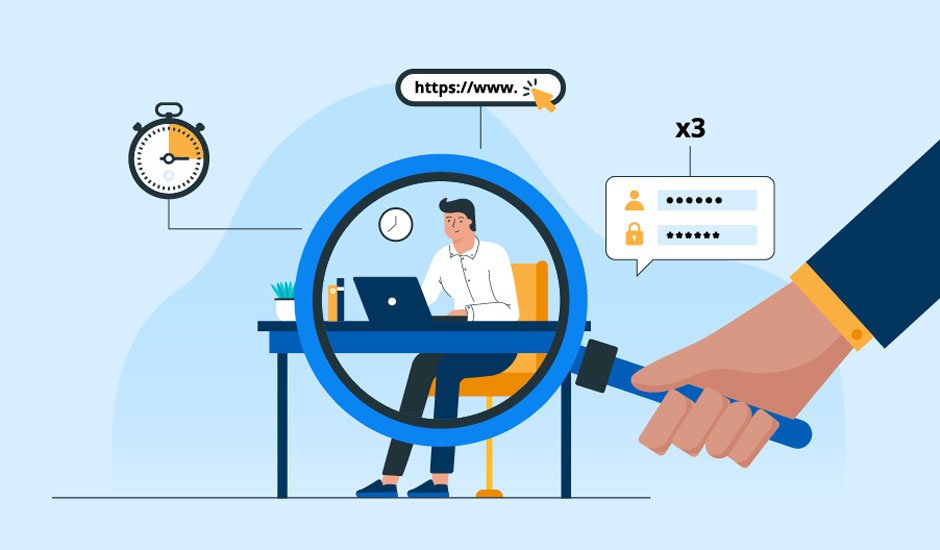
In today’s hybrid and remote work environment, employee monitoring software has become a valuable tool for ensuring accountability, productivity, and security. Yet, as these systems become more advanced—tracking activity levels, app usage, and even communication patterns—companies face a pressing question: how can they monitor effectively without crossing ethical boundaries or eroding trust?
Finding this balance between productivity and privacy is essential. Ethical monitoring is not about control; it’s about creating transparency, fairness, and efficiency while respecting employees as individuals.
Table of Contents
ToggleRethinking Monitoring: From Control to Collaboration
For years, monitoring tools were associated with surveillance and micromanagement. But modern platforms have shifted focus toward empowerment and insight. Today’s employee monitoring software offers valuable analytics that help companies understand workflow bottlenecks, identify burnout risks, and allocate resources more efficiently.
However, the way these tools are introduced and used determines whether they foster collaboration or resentment. When employees understand that monitoring supports better working conditions—by highlighting inefficiencies and preventing overload—they’re more likely to view it as an ally rather than an intrusion.
Transparency Builds Trust
Ethical monitoring begins with openness. Employees should always know:
- What data is being collected (for example, working hours, app usage, or project progress)
- Why it’s being collected (to improve performance, ensure fair workloads, or enhance security)
- How the data will be used and protected
Transparency transforms monitoring from a secretive process into a shared understanding. When companies communicate these details clearly, it sets the tone that monitoring is meant to help, not to spy.
Setting Ethical Boundaries
Respecting privacy is not just a moral choice—it’s also a legal and strategic one. Companies must ensure that monitoring practices comply with data protection laws such as GDPR or local labor regulations. That means collecting only the information necessary for legitimate business purposes and securing it properly.
Ethical boundaries also include avoiding invasive features like webcam surveillance, keystroke logging, or constant screenshots unless there is a strong and justified need. Instead, focus on metrics that measure outcomes—like productivity trends or workflow efficiency—without violating personal space.
Empowering Employees Through Data
The best employee monitoring systems don’t just collect data—they make it accessible and useful for everyone. When employees can view their own productivity reports or time-tracking summaries, it encourages self-awareness and self-management. They can identify distractions, improve focus, and take ownership of their performance.
This shared access creates a sense of fairness and reduces the feeling of being watched. Monitoring, when done right, becomes a tool for empowerment, not punishment.
Benefits of Ethical Monitoring
When companies adopt an ethical and transparent approach to employee monitoring software, the positive outcomes extend far beyond compliance:
- Improved productivity: Employees can identify inefficiencies and optimize their work habits.
- Higher trust: Open communication about monitoring practices fosters stronger relationships between staff and management.
- Reduced burnout: Data insights help detect overwork early, allowing managers to adjust workloads.
- Better decision-making: Leaders gain accurate performance insights without relying on assumptions or bias.
Ethical monitoring ultimately benefits both sides—employees gain clarity and support, while employers gain reliable performance data to guide business growth.
The Human Factor in Technology
Even the most advanced software cannot replace empathy and communication. Managers must interpret monitoring data thoughtfully, recognizing that numbers alone don’t capture context—such as personal challenges, task complexity, or creative thinking time.
A healthy balance means using monitoring insights to start conversations, not to issue warnings. Ethical leaders use these tools to understand and assist, not to judge or penalize.
Creating a Culture of Mutual Accountability
The most effective organizations use monitoring as part of a broader culture of accountability and transparency. When expectations are clear, and performance is measured fairly, employees naturally feel more motivated and engaged.
Ethical use of monitoring tools sends a powerful message: the company values integrity, fairness, and respect. In return, employees are more likely to reciprocate with loyalty and consistent effort.
Conclusion
Balancing privacy and productivity with employee monitoring software isn’t about choosing one over the other—it’s about aligning both through trust, transparency, and respect. When implemented ethically, monitoring becomes a bridge between management goals and employee well-being.
By focusing on collaboration rather than control, companies can harness the full potential of workplace analytics—creating environments where data-driven insights enhance both human performance and organizational growth.