Your home’s exterior is the first thing people see, and a fresh coat of paint can completely change its look. But anyone who has painted their house knows the frustration when that perfect finish begins to fade, peel, or crack after just a few seasons.
That happens when surfaces are not properly cleaned, the wrong paint is used, or the job is done in unfavorable weather. People want their home’s exterior paint to stay strong and attractive over time. They expect it to withstand sun, rain, and temperature changes without losing its color or finish.
Long-lasting paint requires more than just applying color. It takes planning, patience, and the right products. This guide shares practical tips to help your exterior paint stay durable, weather-resistant, and beautiful for years.
Table of Contents
Toggle1. Clean and Repair the Surfaces
One of the biggest secrets to long-lasting paint is proper cleaning. Knowing how to clean walls before painting makes all the difference between a smooth, lasting finish and one that peels quickly. According to facilitiesnet.com, about 60-80% of coating failures happen because surfaces were not properly cleaned or prepared first.
2. Choose Local Professionals
Working with local experts ensures the job is done according to ideal weather conditions. It also helps to use the right materials and proven techniques as per the local area’s needs. This guarantees the life of your paint, saving you time and money in the long run.
If you live in New Hampshire, teaming up with professionals for exterior painting in Concord can make your project much easier. Local painters understand the specific weather conditions and can recommend the right paints and finishes for long-term protection.
3. Prep the Landscape
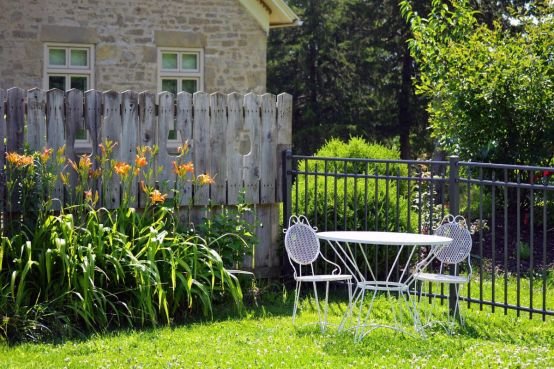
Before you start painting, take time to protect your surroundings. Move outdoor furniture, grills, or decorations away from the walls. Cover plants, shrubs, and pathways with drop cloths to protect them from paint splatters.
A clean, open workspace also helps you move freely without damaging your landscape or the freshly painted walls. Proper preparation can save you cleanup time and keep your garden looking neat once the project is complete.
4. Wait for Dry Weather Before Painting
Timing matters as much as technique. Paint stays best when the weather is dry and mild. Painting right after rain or during high humidity can trap moisture underneath the surface, leading to peeling later.
Check the weather forecast before you begin and aim for a stretch of clear days. Avoid painting in windy conditions as well, since dust and debris can stick to wet paint and ruin the finish.
5. Pick High-Quality Paint
Good results start with good materials. High-quality exterior paints have stronger pigments, better binders, and additives that protect against moisture and UV rays. The best exterior paints available today fade by only 1% to 3% per year, nearly doubling their color life compared to older formulations.
Choose paint designed specifically for your region’s weather. If you live in a hot and humid area, look for paints with mildew resistance. In colder climates, opt for formulas that can handle temperature swings and moisture. Investing in the right type of paint helps protect your home’s surface and prevents early fading or chipping.
6. Use Primer on Bare Wood
Primer is like the foundation of your paint job, as it helps the color stick better and last longer. Bare wood, metal, or previously unpainted surfaces especially need primer to create a smooth base.
Primers seal porous materials, prevent stains from bleeding through, and improve color uniformity. When you skip this step, the topcoat tends to soak unevenly into the surface, leading to patchy areas or peeling. Using a good-quality primer ensures better adhesion and durability.
7. Follow Smart Painting Tricks
Professional painters often rely on small tricks that make a big difference. Here are a few to keep your paint lasting longer:
- Always start from the top and work your way down. This prevents streaks and uneven drying.
- Overlap each stroke slightly for even coverage.
- Keep a wet edge while painting, which means applying new paint before the previous section dries to avoid visible lines.
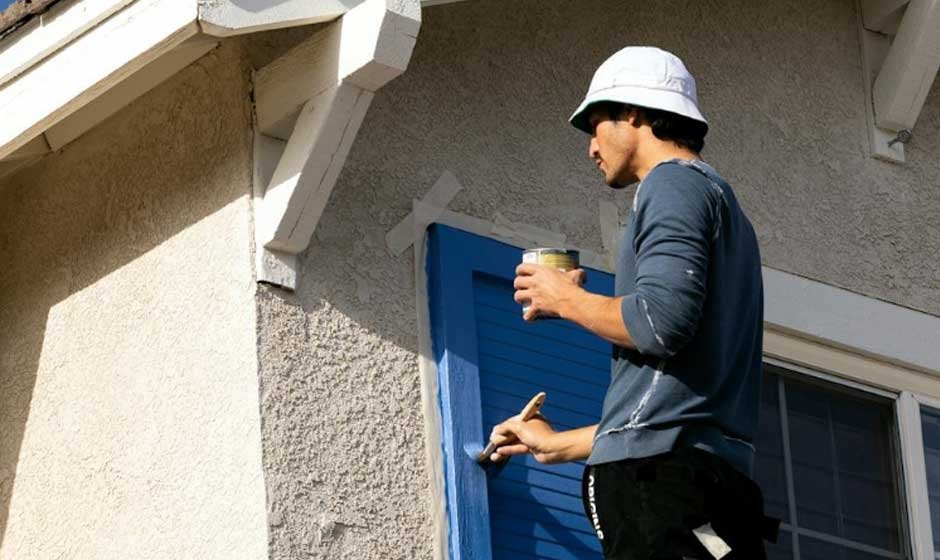
8. Use the Right Tools and Techniques
Using quality tools can make your paint job more precise and efficient. Brushes with synthetic bristles work best for water-based paints, while natural bristles are ideal for oil-based ones. Rollers are great for large flat surfaces, while angled brushes help reach corners and trims.
Cheap tools may shed bristles or leave uneven marks. A good brush or roller holds more paint, spreads it evenly, and helps you achieve a professional look that endures harsh outdoor conditions.
Even with good paint and tools, technique matters. Apply paint using long, steady strokes, and avoid pressing the brush too hard. Always paint in the direction of the material’s grain for wood surfaces.
If you are using a roller, roll in a “W” or “M” pattern to spread paint evenly before filling in the gaps. Good technique ensures full coverage, reduces waste, and gives the surface a clean, professional look.
9. Do Not Paint in Direct Sunlight
It might seem like a sunny day is perfect for painting, but direct sunlight can actually cause problems. The heat makes paint dry too quickly, preventing it from forming a strong bond with the surface. This often leads to blistering or cracking later.
Try painting when your home’s exterior is shaded, or start on the side that gets less direct sunlight in the morning. Proper timing keeps the paint from drying unevenly and helps it stick better.
10.Apply Two Thin Coats of Paint
One thick coat may seem faster, but it rarely lasts. Applying two thin coats gives better color, smoother texture, and stronger protection against weather and wear. Allow the first coat to dry completely before adding the second.
Thin coats dry evenly and create a stronger bond, reducing the risk of peeling or bubbling later. Taking this extra step ensures that your exterior paint stays vibrant and intact for many years.
Final Word
A long-lasting exterior paint job is not just about looks. It is also about protecting your home. With the right materials, good timing, and proper techniques, you can keep your house looking fresh and well-maintained for years.
When paint lasts longer, it saves time and money on maintenance and gives the property a polished, cared-for appearance. Whether you are painting for the first time or giving your home a new color, these tips help you achieve a finish that is durable, weather-resistant, and beautiful.