Table of Contents
ToggleIntroduction: More Than Just a Laugh Track
From the moment animation first flickered to life, it has been a world of exaggeration. Bigger-than-life personalities, impossible physics, and, of course, a wide array of body shapes have populated our screens. Among these, fat characters in cartoons have remained a consistent presence, often serving as a reliable source of humor and a familiar archetype for audiences of all ages. But to dismiss these characters as mere comic relief would be to ignore their complex and evolving role in animation and the cultural conversations they inspire.
These characters are more than just their waistlines. They are often the heart of their shows, embodying a lovable blend of flaws and virtues that makes them deeply relatable. Yet, their portrayal is not without its complexities. For every beloved, huggable sidekick, there is a bumbling, lazy stereotype, raising questions about how body representation in animation shapes our perceptions. This article explores the multifaceted world of fat characters in cartoons, from the classic icons to the modern trailblazers, examining their enduring appeal, cultural impact, and the ongoing evolution of their legacy.
The Golden Age of Gluttony: Classic Fat Cartoon Characters
When we think of fat characters in cartoons, a few iconic figures immediately come to mind. Homer Simpson, with his insatiable appetite for donuts and Duff beer, has become a cultural touchstone, a symbol of the flawed but loving American father. His weight is intrinsically linked to his personality—a man driven by simple pleasures and a certain laziness, yet capable of profound moments of love and loyalty. Similarly, Garfield the cat has built an entire empire on his love for lasagna and his disdain for Mondays, his cynical wit a perfect complement to his sedentary lifestyle.
In the same vein, Peter Griffin from Family Guy pushes the archetype to its most absurd extremes. His impulsiveness and frequent poor judgment are often fueled by his desires, leading to chaotic and hilarious situations. These classic characters, while often played for laughs, have resonated with audiences for decades. Their appeal lies in their unapologetic embrace of their appetites and their very human imperfections. They are a reflection of our own desires for comfort and indulgence, exaggerated for comedic effect.
The Psychology of Size: How We Perceive Fat Characters
The portrayal of fat characters in cartoons is not just a matter of entertainment; it has real-world implications. Academic research has shown that the way body weight is depicted in media can influence how we perceive others and even ourselves. A study published in the Journal of Consumer Psychology found that children who were shown overweight cartoon characters were more likely to consume more high-calorie snacks afterward. This suggests that even at a young age, children associate larger body types with certain behaviors, such as overeating.
This phenomenon highlights the subtle power of animation to shape our perceptions. When overweight characters are consistently portrayed as lazy, unintelligent, or solely focused on food, it can reinforce harmful stereotypes. The research underscores the responsibility of creators to be mindful of the messages they are sending to young, impressionable audiences. While humor is a vital part of animation, it is important to ensure that it does not come at the expense of perpetuating negative biases.
Beyond Stereotypes: When Fat Characters Break the Mold
While many classic fat characters rely on comedic stereotypes, a significant number of them have broken free from these conventions, offering more nuanced and complex portrayals. Uncle Iroh from Avatar: The Last Airbender is a prime example. His large physique is a part of his character, but it is far from his defining trait. He is a wise, kind, and powerful mentor, whose love for tea and gentle humor masks a deep and tragic past. His character demonstrates that a larger body can be associated with wisdom, warmth, and strength, rather than just gluttony or laziness.
Similarly, Snorlax from the Pokémon series, while known for its love of sleeping and eating, is also an incredibly powerful and resilient creature. Its size is a source of its strength, making it a formidable opponent in battles. These characters, and others like them, challenge the notion that fat characters must be one-dimensional. They show that a character’s body shape can be just one aspect of a rich and multifaceted personality, opening the door for more diverse and interesting storytelling.
A New Wave of Representation: Body Positivity in Modern Cartoons
In recent years, there has been a noticeable shift in how animation approaches body representation. A new wave of creators is actively working to create more inclusive and body-positive content. Shows like Steven Universe have been praised for their diverse cast of characters, who come in all shapes and sizes. The show’s protagonist, Steven, is a chubby and compassionate boy who is celebrated for his kindness and emotional intelligence. The show’s creator, Rebecca Sugar, has been a vocal advocate for positive representation in animation.
Similarly, shows like She-Ra and the Princesses of Power and Bee and PuppyCat feature main characters who are not defined by a stereotypical cartoon body type. They are portrayed as capable, complex individuals, and their body shape is simply a part of who they are. This shift towards more realistic and diverse body types is a significant step forward for animation, as it allows a wider range of viewers to see themselves represented on screen.
The Unforgettable Icons: A Gallery of Memorable Fat Characters
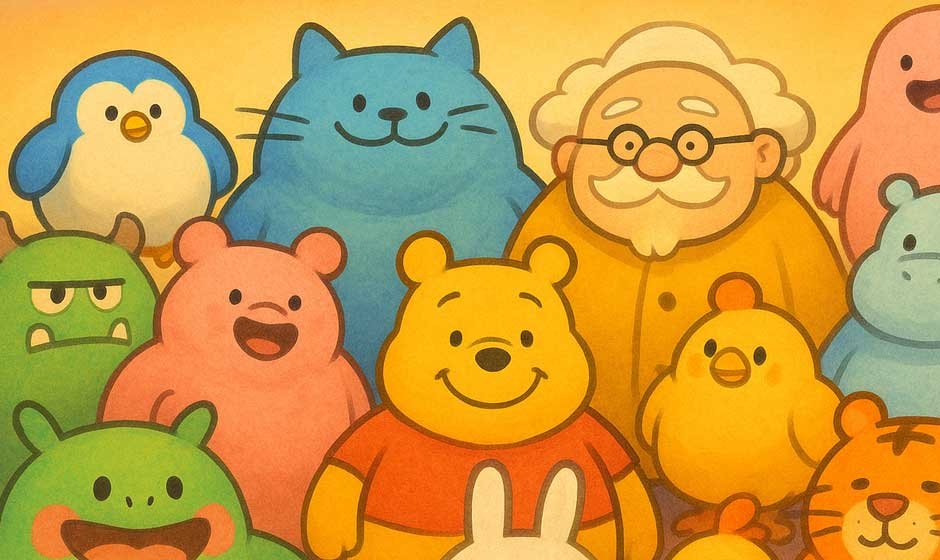
The world of animation is filled with a rich and diverse gallery of fat characters who have left a lasting impression on audiences. Patrick Star from SpongeBob SquarePants, with his simple-minded charm and unwavering loyalty, is a beloved sidekick whose pudgy, pink form is instantly recognizable. Winnie the Pooh, the honey-loving bear from the Hundred Acre Wood, has been a comforting presence for generations of children, his round belly a symbol of his gentle and loving nature.
On the other end of the spectrum, we have characters like Ursula from The Little Mermaid, a villain whose grand, imposing figure is a source of her power and theatricality. These characters, whether heroes, villains, or lovable goofballs, demonstrate the wide range of personalities and roles that fat characters can embody. They are a testament to the creativity of animators and the enduring appeal of characters who are, in every sense of the word, larger than life.
Conclusion: The Evolving Legacy of Fat Characters in Cartoons
The story of fat characters in cartoons is a story of evolution. From the early days of one-dimensional comedic relief to the more nuanced and body-positive portrayals of today, these characters have reflected our changing cultural attitudes towards body image and representation. While the classic, food-loving archetypes remain a beloved part of animation history, the future of fat characters in cartoons appears to be one of greater diversity and complexity.
As animation continues to evolve, we can expect to see even more characters who challenge stereotypes and celebrate a wider range of body types. The legacy of these characters is not just in the laughter they have brought us, but also in the conversations they have sparked about who gets to be a hero, who gets to be complex, and who gets to be seen. In the end, the most memorable fat characters are not just defined by their size, but by the richness of their personalities and the enduring impact they have on our culture.